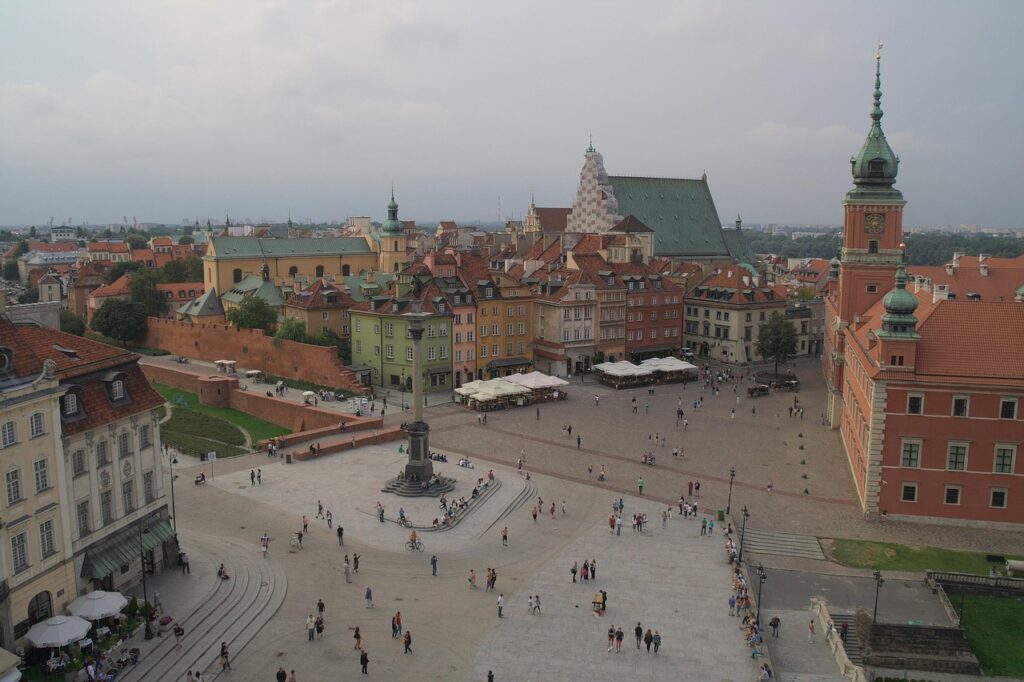






Photo Walk in Warsaw’s Old Town for Hobby Photographers
Introduction
Warsaw’s Old Town (Stare Miasto) is a compact treasure of colorful architecture, cobbled lanes and picture-perfect perspectives that appeal to any keen photographer wanting to capture the soul of a city rebuilt after the war. This route is designed to be done on foot, taking anywhere from a half-day to a full day, and focuses on the best light, iconic compositions and some lesser-known vantage points. You’ll find precise addresses, opening hours, ticket prices in euros where relevant, plus practical tips to improve your shots and avoid crowds.
This guide is aimed at hobby photographers — whether you shoot with a DSLR, mirrorless camera, an advanced smartphone or a compact. It gives concrete waypoints (exact addresses) so you can get straight to the photo spots, describes typical light by time of day, and offers easy technical recommendations (basic settings, lens choices, when to use a tripod). It also takes local realities into account: opening times for the most photographed sites (for example the Royal Castle, St. John’s Cathedral, the Barbican), and cafés where you can take a break or recharge a battery.
You’ll find concrete suggestions for dealing with crowds — for example, starting before official opening hours to shoot Castle Square (Plac Zamkowy) at golden hour, or favoring the narrow lanes on the east side of the market for intimate compositions. The guide also covers local rules: non-commercial outdoor photography is generally allowed, but using a tripod on very busy cobbles can be frowned upon or restricted at some heritage sites. Finally, price indications (in euros) and current opening hours will help you plan — keep in mind that rates and schedules can change with the season and public holidays.
Pack your memory cards, charge your batteries and put on comfortable shoes: the route below will take you through the most iconic and photogenic scenes of Old Warsaw, with alternatives for capturing more original shots.
1) Preparations and Recommended Gear
Before you set off on your photo walk through the Old Town, a few essential preparations will increase your chances of success:
- Camera gear: a camera with a versatile zoom (24–70 mm or 18–55 mm) for street scenes, a wide-angle (10–24 mm or 16–35 mm) for squares and narrow lanes, and a fast prime (50 mm f/1.8) for environmental portraits and architectural details. If you have a compact tripod, bring it — handy for twilight shots, but be mindful in very crowded spots where it may be intrusive.
- Accessories: spare memory cards, extra batteries, a microfiber cloth for lenses, a polarizing filter (useful on sunny days), and a small lens hood to avoid flare in backlit situations.
- Useful apps: a weather and sun-position app (e.g. Sun Surveyor), offline Google Maps, and possibly a translation app if you prefer navigating in Polish.
- Light comfort kit: a water bottle, a transit card or metro pass if you plan to return from outside the pedestrian area, and a lightweight rain jacket in case of sudden showers.
Practical tip: shooting early in the morning (one hour before to two hours after sunrise) will let you capture the Old Town almost empty and bathed in soft light. In the evening, the blue hour (after sunset) produces great contrast between lit façades and a deep blue sky. To avoid unwanted reflections on shop windows and wet cobbles, use a polarizing filter and adjust your angle to turn reflections into a creative element.
2) Step-by-Step Route: Squares, Monuments and Lanes to Photograph
Here’s a linear route covering the most photogenic spots in Warsaw’s Old Town, with addresses, opening hours and prices where applicable. Estimated duration: 3 to 6 hours depending on stops and shooting time.
Starting point: Plac Zamkowy (Castle Square)
Address: Plac Zamkowy 4, 00-277 Warszawa. This large square sits at the foot of the Royal Castle, dominated by Sigismund’s Column (Kolumna Zygmunta). Best light: sunrise and late afternoon. A very photogenic spot for silhouetted buildings and vanishing points leading to the Castle.
Royal Castle – Zamek Królewski
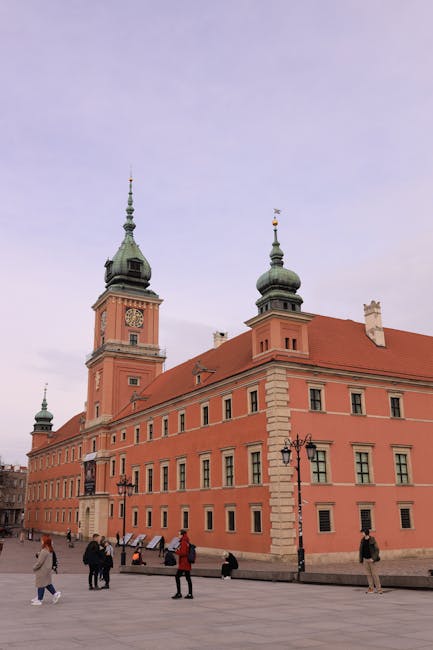
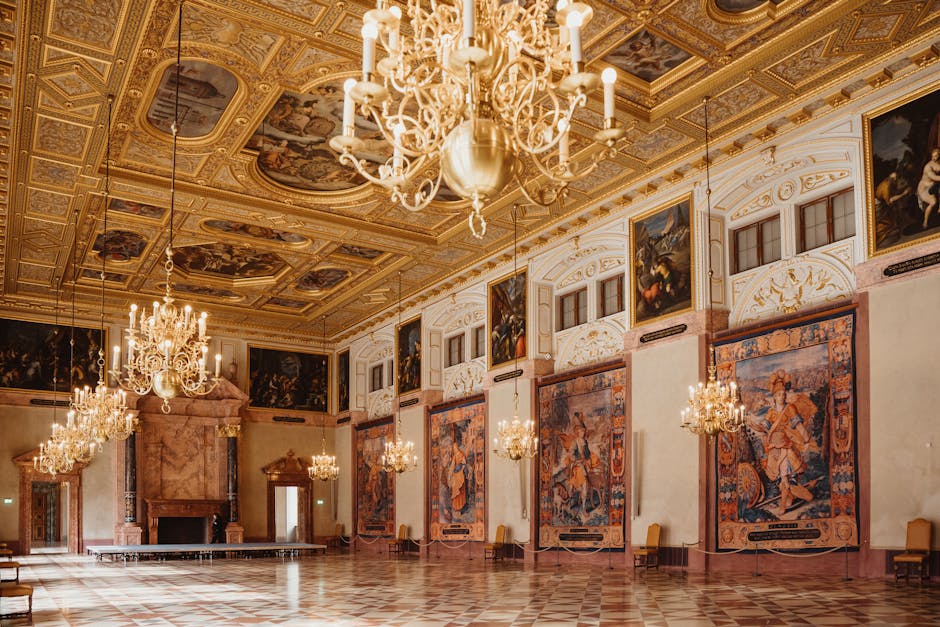
Address: Zamek Królewski, Plac Zamkowy 4, 00-277 Warszawa. Hours: generally open Tuesday to Sunday from 10:00 to 18:00 (closed Monday); check the official site before your visit. Price: around €12 for an adult ticket (reduced rates €6–8 depending on the exhibition). The castle offers rich Baroque interiors — perfect for shots of ornate architecture, carved details and tapestries. Note: flash and tripods may be restricted inside — follow the museum rules.
Sigismund’s Column and Vistula River Views
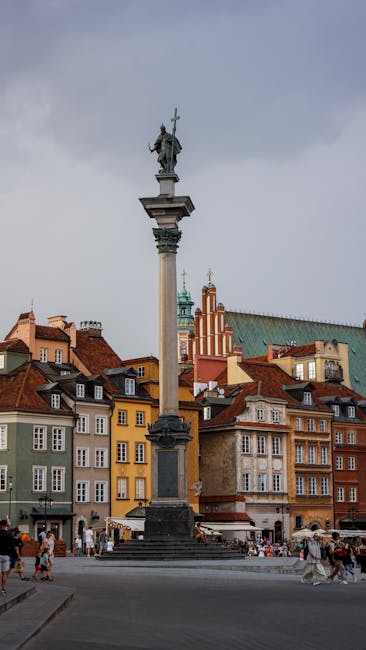
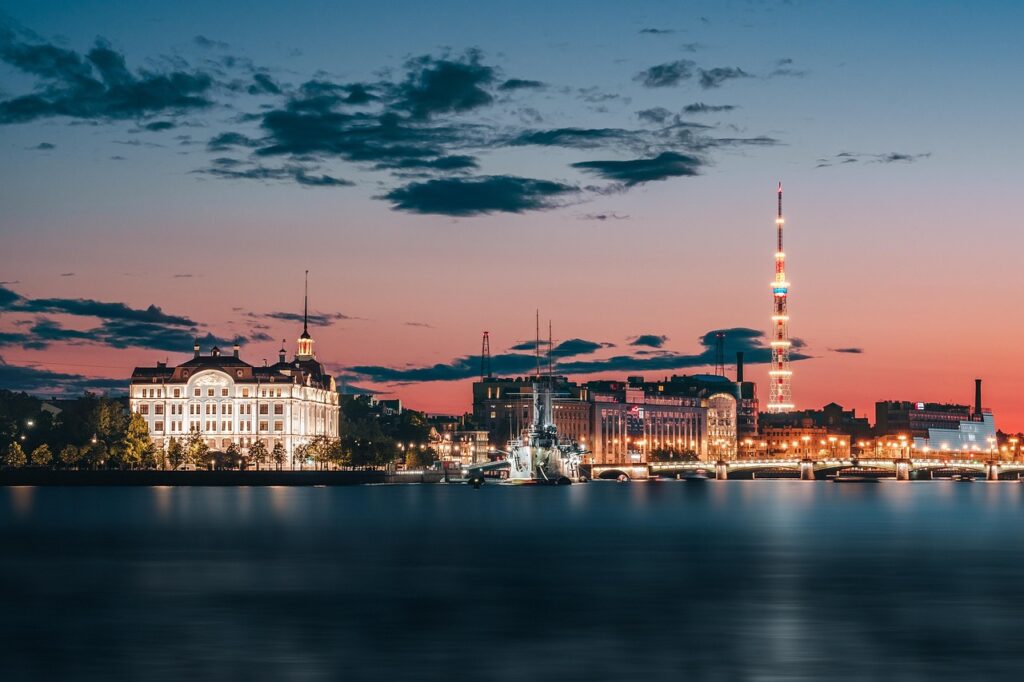
Address: Plac Zamkowy, 00-277 Warszawa (in the middle of the square). The iconic column is a handy focal point for vertical compositions, playing the sky against the colorful façades behind it. A few steps away, look for the stairs that lead down to the Vistula embankment for river panoramas — ideal at sunset.
Rynek Starego Miasta – Old Market Square
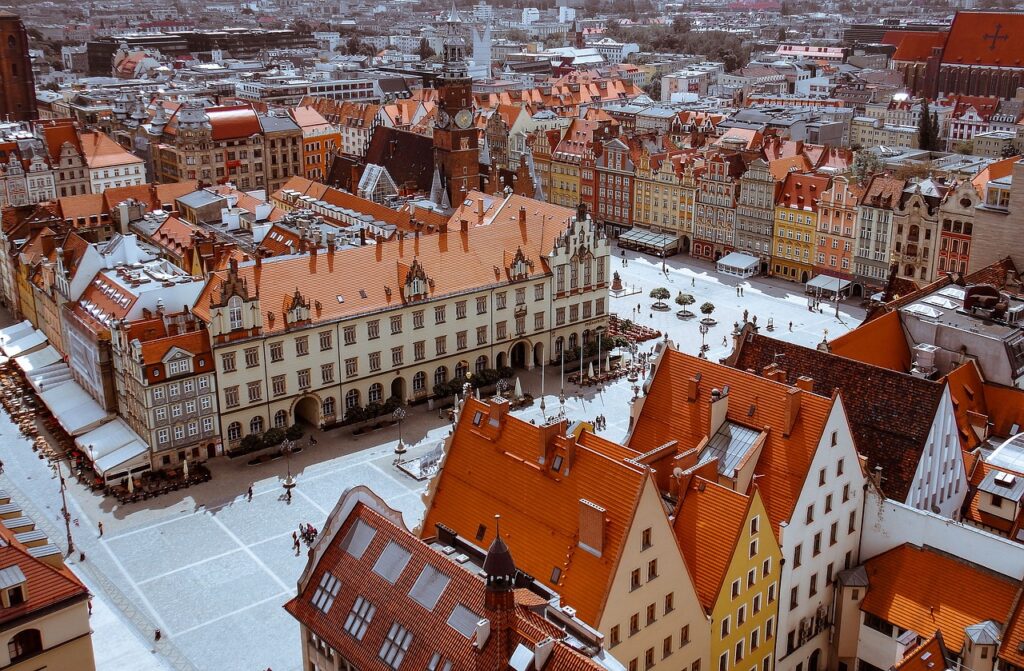
Address: Rynek Starego Miasta, 00-272 Warszawa. The Old Market is ringed with pastel-painted houses and features the Warsaw Mermaid statue (Syrenka). Best practice: try to arrive early or late to avoid tour buses. The Museum of Warsaw (Muzeum Warszawy) is located here: ul. Rynek Starego Miasta 28–42. Hours: 10:00–18:00 (may vary). Price: about €6 for the main entrance.
Barbican and City Walls
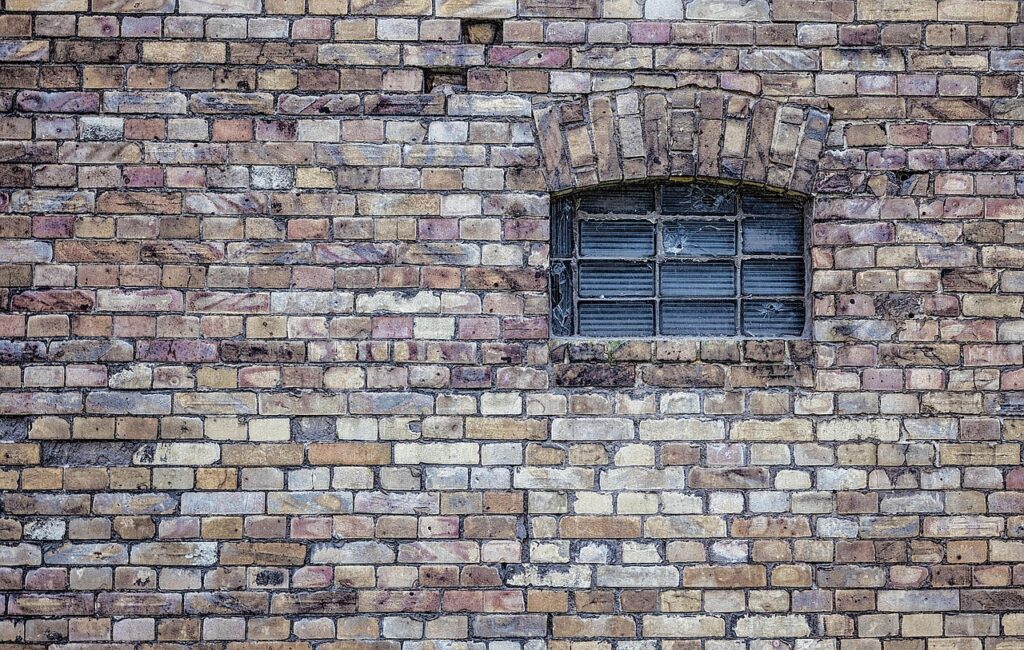
Address: Podwale 2, 00-257 Warszawa. The Barbican is a semicircular fortification that’s great for texture-focused compositions (brickwork), curved lines and shadow play. Free and accessible 24/7; late afternoon light brings warm tones to the red bricks.
Churches and Lanes around Świętojańska
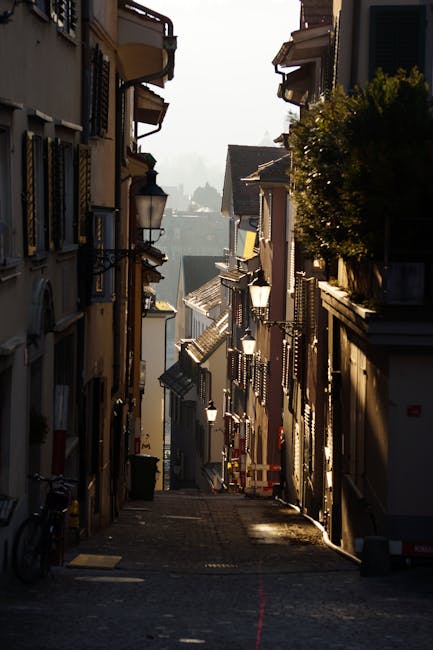
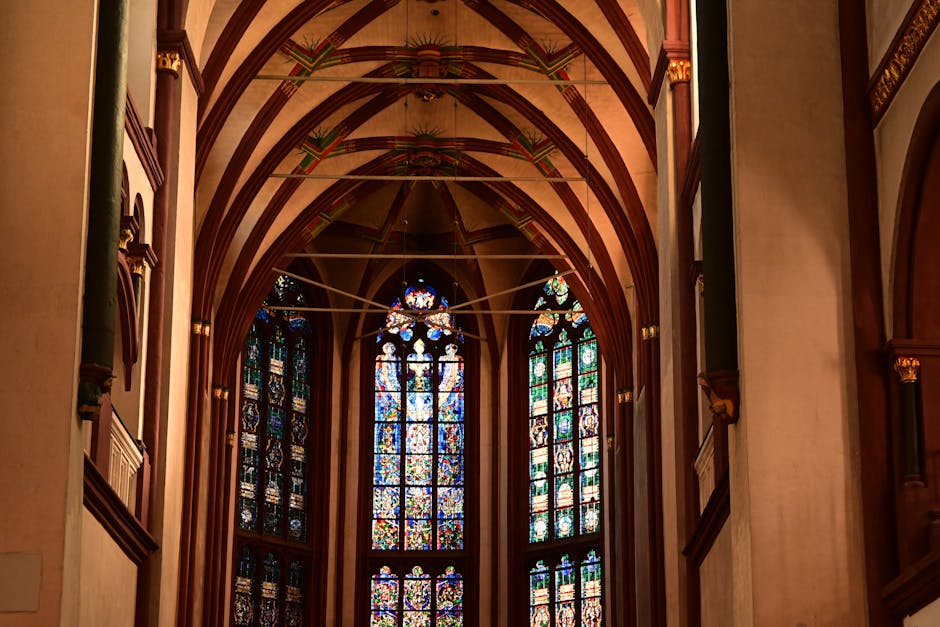
Address (St. John’s Cathedral): Archikatedra św. Jana, ul. Świętojańska 8, 00-266 Warszawa. Hours: often open 9:00–18:00 (may vary with services); entry is free though donations are recommended. The cathedral features Gothic vaults and stained glass — try interior shooting with a higher ISO and wide aperture if tripods aren’t allowed. Explore the perpendicular lanes (e.g. ul. Piwna, ul. Kanonia) for environmental portraits and details like restored doors and façades.
3) Photography Techniques, Settings and Compositions
Adjust your settings for each location depending on the light and the effect you want. Here are practical, easy-to-apply tips:
- Wide-angle for squares: use a wide-angle lens (10–24 mm or 16–35 mm) to capture an entire square like Rynek Starego Miasta. Keep the horizon level and find a leading line (edge of paving, a façade) to anchor the composition.
- Environmental portraits: at 50–85 mm isolate a subject in front of a colorful façade. Use a wide aperture (f/1.8–f/3.5) for pleasant bokeh that separates the subject from a busy background.
- Architecture and details: for patterns, sculptures and textures, choose a mid-range focal length (35–50 mm), a smaller aperture (f/5.6–f/11) for sufficient depth of field, and the lowest possible ISO for sharp results.
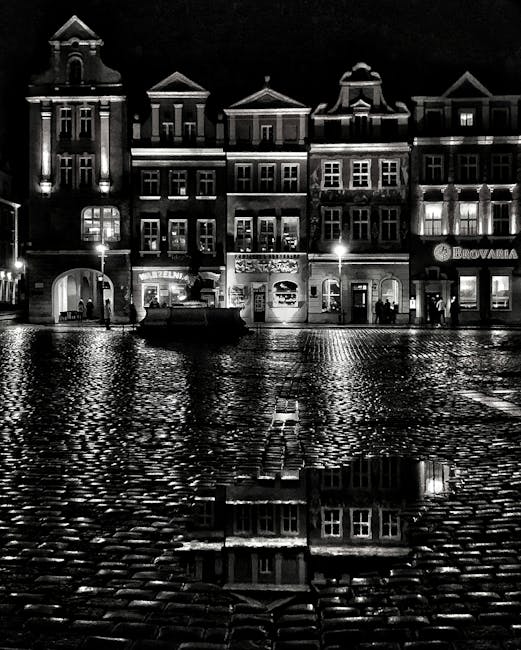
- Night shots and long exposures: use a tripod and a timer. On wet cobbles capture reflections of façades and street lamps. Set aperture between f/8 and f/11 and use ISO 100–200; adjust shutter speed to get a correct exposure.
- Avoid unwanted backlight: when the sun is low behind a building, shoot from a side angle or use backlight creatively to produce dramatic silhouettes and rim light around architectural edges.
Framing technique: think “frame within a frame” — doors, archways, and windows that frame a distant monument add depth. Play with symmetry (for example, centering Sigismund’s Column) and diagonals (streets converging toward the castle) to energize your shots.
4) Practical Tips, Food and Local Rules
Some logistical info and local tips to make your visit smooth and enjoyable:
- Transport: Castle Square (Plac Zamkowy) is walkable from the « Ratusz Arsenał » metro station (Al. Solidarności) or reachable by several tram and bus lines. Expect about 20–30 minutes from the modern city center (Plac Defilad) depending on where you start.
- Food and cafés: for a quick break and Polish specialties, Zapiecek restaurant (Rynek Starego Miasta 13, 00-272 Warszawa) serves pierogi and soups; average prices: mains €6–12; generally open 10:00–22:00. For coffee and pastries, look for small cafés tucked into the lanes off the market square — an espresso costs roughly €2–3.
- Safety and photo etiquette: Warsaw is generally safe, but keep an eye on your gear in busy tourist areas. Indoors (museums, churches), respect no-flash and tripod rules. For commercial photography you may need permits; for personal use, streets and façades are free to photograph.
- Toilets and breaks: many cafés and restaurants provide restrooms for customers; otherwise look for pay toilets near museums (usually €0.50–1).
- Best time of year: spring and early autumn for pleasant temperatures and soft light. In summer arrive early to beat the crowds; in winter snowy cobbles and decorations create a unique mood but prepare for cold conditions.
Local tip
If you want shots with very few tourists, head out before dawn: 30–60 minutes before the first cafés open and you’ll enjoy warm light and an almost private atmosphere. Alternatively, favor the blue hour in the evening — 20–40 minutes after sunset — for a moodier, more dramatic vibe.
Conclusion
Warsaw’s Old Town is a fantastic playground for hobby photographers. From the grandeur of the Royal Castle (Zamek Królewski, Plac Zamkowy 4), to the poetic façades of the Old Market Square (Rynek Starego Miasta), the warm austerity of the Barbican (Podwale 2) and the sacred interiors of St. John’s Archcathedral (ul. Świętojańska 8), every corner tells a visual story. By planning your route around light, choosing the right lens and respecting local rules, you’ll increase your chances of bringing home memorable images.
This guide has given you precise waypoints: exact addresses to get to the key spots, indicative prices (in euros) for museums and monuments, typical opening hours and practical shooting tips. Remember that street photography also requires patience and curiosity: take the time to observe, compose and wait for the moment when light and activity align to create the perfect image. Finally, take care of your gear and use café breaks to sort a few photos and recharge batteries — Old Warsaw is best discovered both on foot and through your viewfinder.
Enjoy the walk and happy shooting — Old Warsaw has so much to offer, and with a little preparation you’ll leave with a series of images that tell not only of the monuments, but also of the lively, resilient atmosphere of this rebuilt capital.