





Introduction: Warsaw’s historic core — ruins, rebuilding and layered stories
In the middle of Warsaw, between the Vistula River and the wide avenues of the modern downtown, an urban tapestry unfolds where every cobble, column and façade tells a story. The Polish capital has been the stage for tragic and heroic chapters: occupations, uprisings, fires, near-total destruction during World War II, followed by patient—and often ideological—reconstruction. The monuments at the heart of Warsaw — the Royal Castle (Zamek Królewski), Sigismund’s Column (Kolumna Zygmunta), the Old Town Market Square (Rynek Starego Miasta), St. John’s Archcathedral (Archikatedra św. Jana Chrzciciela), the Barbican (Barbakan) and many more — are concrete markers of this shared memory.
This guide aims to give you a complete, practical and immersive look at the main monuments in central Warsaw. It blends useful information (exact addresses, opening hours, prices in euros), architectural and artistic descriptions, essential historical anecdotes and local tips to help you get the most out of your visit. Whether you’re planning your first trip or returning for a deeper exploration, you’ll find pointers to experience the city rather than just see it: where to spot baroque reconstruction details, how to recognize powder and repair marks on the stone, which café to pick for a monument-view break, or the best time to avoid crowds and capture great light for photos.
The very nature of central Warsaw mixes time periods. The Old Town (Stare Miasto) now reads like a living museum with its restored colorful facades, artisan workshops and tourist shops; yet beneath those streets lie medieval foundations and fortification remnants. On the other side, the Palace of Culture and Science (Pałac Kultury i Nauki) — a controversial Soviet-era gift — dominates the skyline and symbolizes 20th-century monumental masculinity. Each monument has its own visiting hours and rules, and often a human anecdote that brings the stones to life: a painting saved by a guard, a cannon retrieved from a cellar, a commemorative plaque secretly moved during occupation. We’ll share those stories alongside practical info, because knowing a site’s history changes the way you experience it.
Finally, this guide is more than descriptive: it offers local tips verified by residents and Polish guides. Where to sit for coffee with a view of Sigismund’s Column? When does the Castle Courtyard fill with musicians? Which tickets should you book in advance and which can be bought on site? You’ll find all that and more in the sections below, each focused on a coherent group of monuments in central Warsaw, with precise directions and suggestions to extend your exploration.
The Royal Castle and Castle Square: a symbol of sovereignty and rebirth
Zamek Królewski w Warszawie — Royal Castle stands at Plac Zamkowy 4, 00-277 Warszawa, on the northern edge of the Old Town, marking the approach to the Vistula. Originally built in the 14th century, the castle served as the official residence of Poland’s kings, the venue for state ceremonies and the seat of power until the late 18th century. Destroyed during World War II, it was reconstructed at the end of the 20th century according to original plans and frescoes that were recovered—a restoration project that became a national symbol of resilience.
Opening hours: generally open Tuesday to Sunday, 10:00–18:00 (closed Mondays). Times may vary with temporary exhibitions; check the official website before you go.
Prices: standard ticket around 25 PLN (≈ €5.50), reduced about 15 PLN (≈ €3.30). Some tours or special exhibitions may cost extra—expect up to 40 PLN (€8.80) for special guided visits. Combined tickets with other Old Town sites are sometimes available.
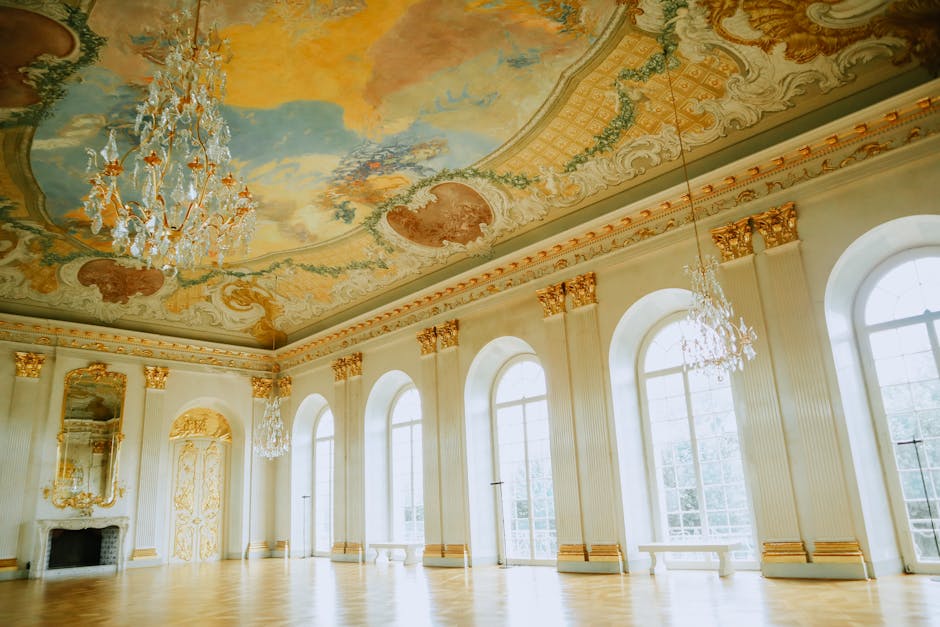
Immersive description: enter through the main courtyard and you immediately sense the harmony of the state rooms: the Throne Room (Sala Tronowa), the Portrait Gallery and the Senate Chamber (Sala Senatorska). Ceilings are decorated with frescoes and stuccoes, wood paneling reflects refined baroque taste blended with classical ornament. The museum displays historical paintings, royal furniture and tapestries. Room reconstructions offer a clear sense of the grandeur of state ceremonies during the Polish–Lithuanian Commonwealth (the First Republic).
Anecdote: during post-war reconstruction, fragments of original decoration were miraculously found among the rubble and in private collections; several restored pieces came from objects locals had hidden—sometimes in cellars or attics—to protect them. The castle’s rebuilding was a collective effort, funded by public donations and international campaigns.
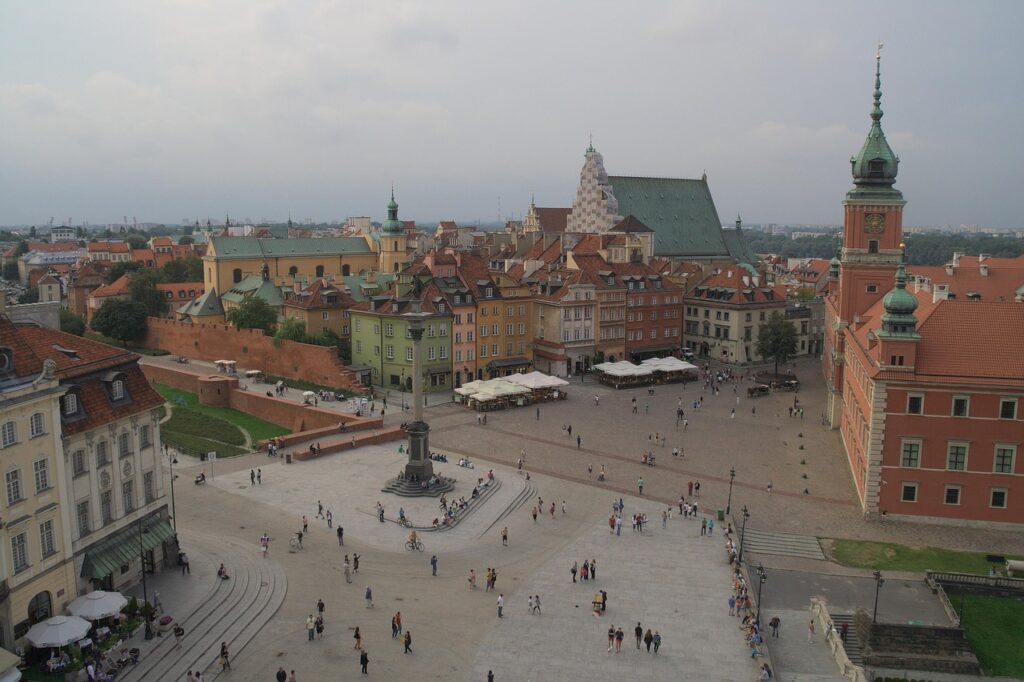
Local tips: arrive early to enjoy the rooms before the crowds and to escape summer heat. Castle Square (Plac Zamkowy) is a perfect starting point for a stroll into the Old Town: from the base of Sigismund’s Column you’ll get a clear view of the castle façade and of Krakowskie Przedmieście stretching south. For a deeper visit, book a 60–90 minute guided tour; many are in Polish, but English tours are available—reserve ahead in high season.
The Old Town: Old Town Market Square, St. John’s Archcathedral and the Barbican
Warsaw’s Old Town, although largely reconstructed, is a UNESCO World Heritage site because of its meticulous restoration and its role in European memory. Three major elements shape the experience: the Market Square (Rynek Starego Miasta), St. John’s Archcathedral (Archikatedra św. Jana Chrzciciela, ul. Świętojerska 8, 00-288 Warszawa) and the Barbican (Barbakan, ul. Nowomiejska, 00-272 Warszawa).
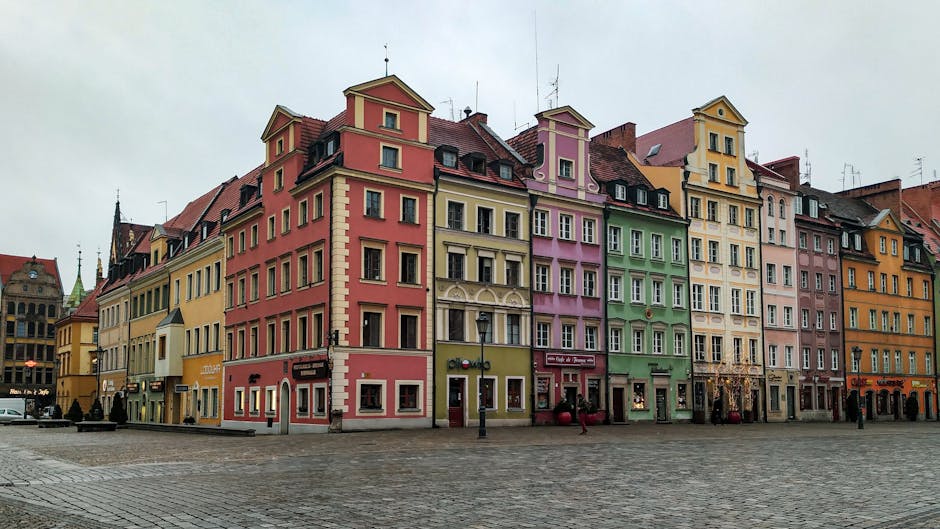
Old Town Market Square — Rynek Starego Miasta: address and practical info. The square sits at the heart of the Old Town, ringed by pastel-painted houses, cafés and artisan workshops. It’s a lively space, perfect for watching careful façade restorations and sampling Polish dishes on the terrace.
St. John’s Archcathedral — Archikatedra św. Jana Chrzciciela: address and hours. Located at ul. Świętojerska 8, 00-288 Warszawa, the cathedral is one of the city’s most important places of worship. Typical hours: open to visitors Tuesday through Sunday, mornings and afternoons; mass and ceremony times vary—check the parish site. Tourist entry is usually free, though donations are appreciated; guided tours may ask for a small fee (≈ €1–€3).
Immersive description: the cathedral features a gothic nave, an ornately decorated choir and side chapels preserving elements from the 14th to the 19th centuries. The building still bears marks from wartime conflicts, including visible stone repairs in some areas that recall the fierce fighting of 1944. The atmosphere is solemn: wooden pews, stained glass and altars create a powerful sense of historic depth. Don’t miss the crypt where several figures from Polish history are buried.
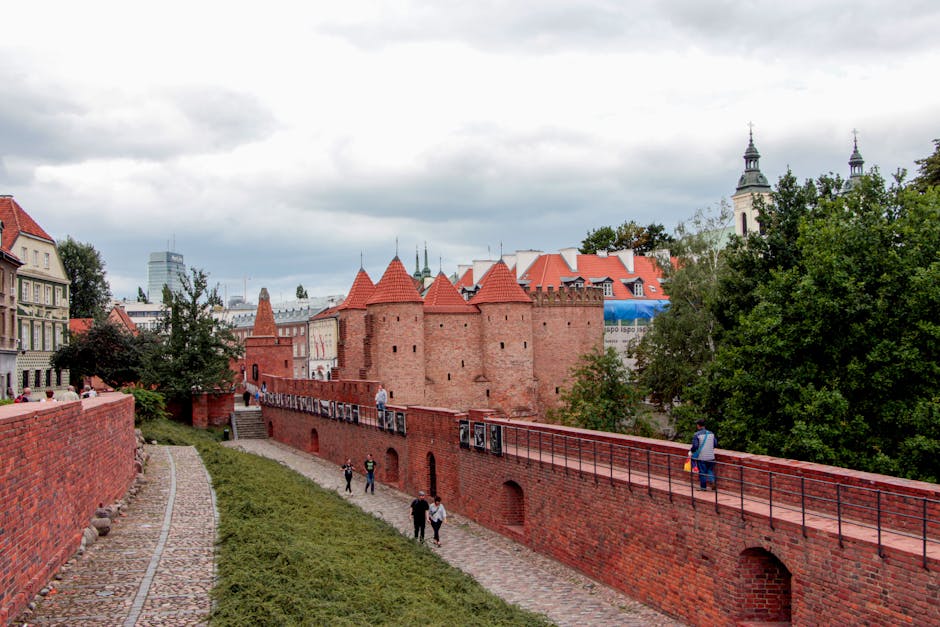
Barbican — the medieval fortification: located at the southern entrance to the Old Town (ul. Nowomiejska, 00-272 Warszawa), the Barbican is a semi-circular bastion that once provided a forward defensive line. Today it forms a picturesque gateway between the New Town (Nowe Miasto) and the Old Town. You’ll see reconstructed gun ports, walls pierced with embrasures and a walkway that’s sometimes open in summer.
Anecdotes: several shops in the Old Town still bear old shop signs or commemorative plaques honoring famous craftsmen; the Market Square has been the setting for scenes in Polish literature and used as a film location many times. The cathedral hosted national funerals and masses for victims of repression; during the war, liturgical objects were buried for safekeeping and later recovered intact during reconstruction.
Local tips: visit early in the morning or late afternoon to avoid tour groups. The narrow streets next to the square hide artisan workshops and galleries where you can buy quality souvenirs (hand-painted pottery, icons, amber jewelry). For a memorable sound experience, look out for an organ concert or a mass at the Archcathedral—the acoustics are remarkable.
Sigismund’s Column, the Royal Route and the Presidential Palace
The Royal Route (Trakt Królewski) is one of Warsaw’s most important historic axes: it links the old citadel in the south with royal residences and aristocratic quarters. Key monuments along it include Sigismund’s Column (Kolumna Zygmunta), the Presidential Palace (Pałac Prezydencki) and the avenue Krakowskie Przedmieście.
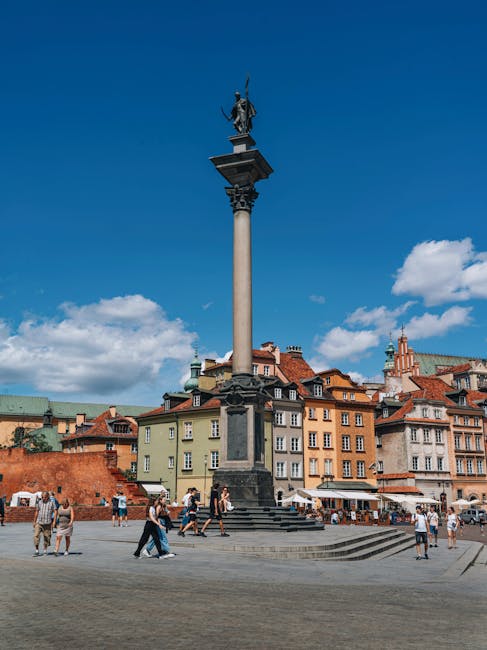
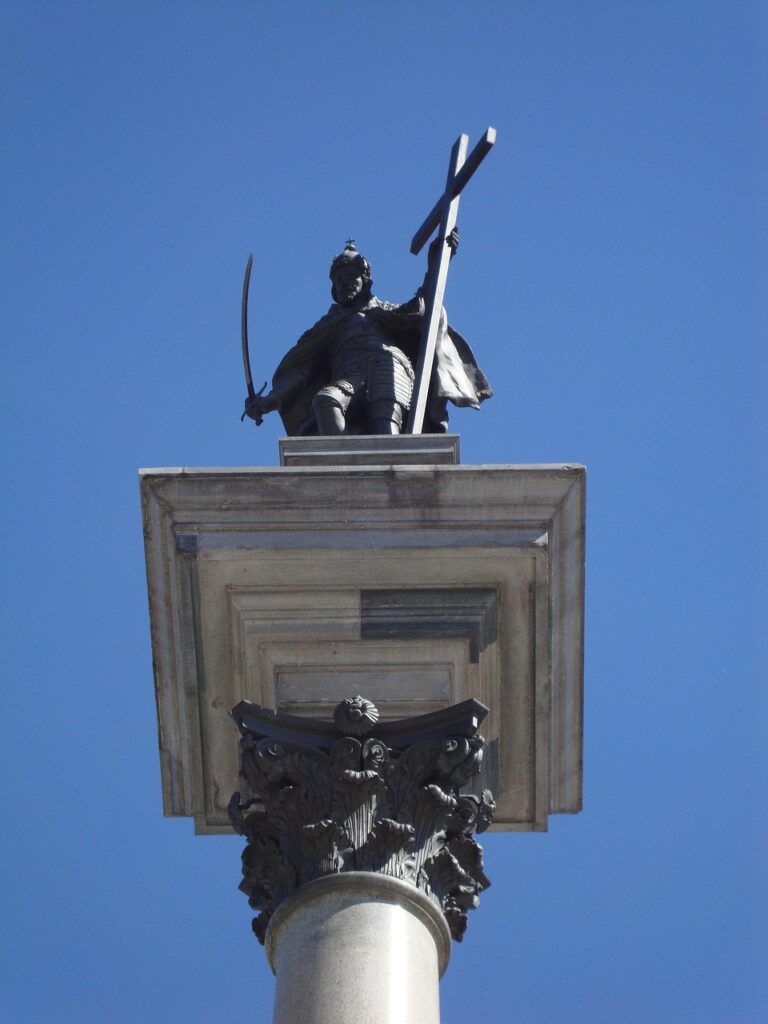
Sigismund’s Column — Kolumna Zygmunta: located at Plac Zamkowy, 00-277 Warszawa, at the foot of the Royal Castle, the column commemorates King Sigismund III Vasa, who moved the capital from Kraków to Warsaw in the early 17th century. Erected in 1644, the column has endured history’s ups and downs, having been vandalized and repaired several times. The statue of the king, sword and cross in hand, is a central visual landmark for both visitors and locals.
Presidential Palace — Pałac Prezydencki: address and visiting info. The palace is at ul. Krakowskie Przedmieście 46/48, 00-071 Warszawa. It’s the official residence of the President of the Republic of Poland for state ceremonies and receptions. The palace is generally not open to the public without an official invitation, but the façade, gardens and the square in front are accessible. Public events, concerts and commemorations sometimes take place here, including guard ceremonies along the avenue.
Immersive description: strolling along Krakowskie Przedmieście lets you drift through a sequence of palaces, churches and historic hotels. Noble façades alternate with luxury shops and literary cafés. Sigismund’s Column acts as a visual axis; circling it reveals the perspective of the street leading toward Castle Square. Approaching the Presidential Palace, the mood grows more formal: gates, statues and a near-ceremonial atmosphere, especially during national commemorations.
Anecdotes: Sigismund’s Column has inspired superstitions—some say touching the king’s leg brings luck for marriage or guarantees a return to Warsaw. During the 1794 uprising the column served as a rallying point for insurgents. The Presidential Palace has witnessed major political events, including parades and protest days during the communist era and the democratic transition.
Local tips: for photos without crowds, visit at sunrise—the low light highlights the relief on statues and façades. Take a coffee break on Krakowskie Przedmieście; Cafe Bristol (Hotel Bristol, ul. Krakowskie Przedmieście 42/44) has a chic terrace for people-watching (a coffee or pastry ≈ €4–€8). Watch out for pickpockets in the busy area around the Castle and the column in high season.
The Palace of Culture and Science, the Tomb of the Unknown Soldier and the public gardens
Between modern history and national memory, several central Warsaw monuments offer very different perspectives: the Palace of Culture and Science (Pałac Kultury i Nauki), the Tomb of the Unknown Soldier (Grób Nieznanego Żołnierza) and the Saxon Garden (Ogród Saski). These sites are close to each other geographically but differ greatly in symbolism.
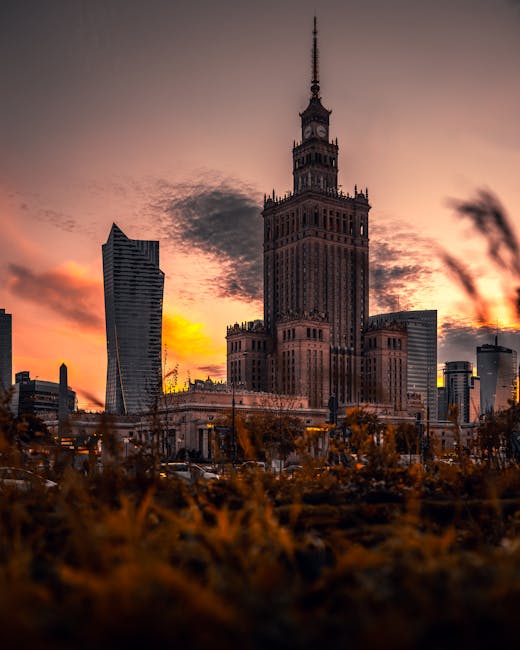
Palace of Culture and Science — Pałac Kultury i Nauki: Plac Defilad 1, 00-901 Warszawa. Built in the 1950s as a « gift » from the Soviet Union, it is a striking example of Stalinist architecture and remains the tallest building in Poland. Today it houses theaters, cinemas, the Museum of Technology, conference halls and a panoramic observation deck on the 30th floor.
Hours and prices: the observation deck is generally open daily; typical hours 10:00–20:00. Admission is about 25–35 PLN (≈ €5.50–€7.70). Prices for exhibitions or special events vary and can be higher. Check the official site for exact opening times and to book skip-the-line tickets in high season.
Immersive description: heading up to the Palace’s observation deck, you experience a striking contrast between the building’s monumental mass and the panoramic view of a city that rewrote its history. On the horizon you can make out the Vistula, the Old Town and modern districts. Inside, the palace mixes vast halls with Soviet-style decorative elements and a lively cultural calendar: art shows, book fairs, concerts and trade events.
Tomb of the Unknown Soldier — Grób Nieznanego Żołnierza: located in the northern part of the Saxon Garden, near the column and Piłsudski Avenue. Reference address: ul. Krakowskie Przedmieście/ul. Piłsudskiego, 00-012 Warszawa. The memorial honors Polish soldiers who died for their country and sits before a beautiful vista of the Saxon Garden and Brühl Palace (Pałac Brühla).
Description and ceremonies: a guard of honor maintains the site and official ceremonies frequently take place, especially on national remembrance days. The mood is solemn; torches and engraved stone invite reflection. The changing of the guard, sometimes accompanied by military music, draws visitors—check locally for exact times as they depend on season and the official schedule.
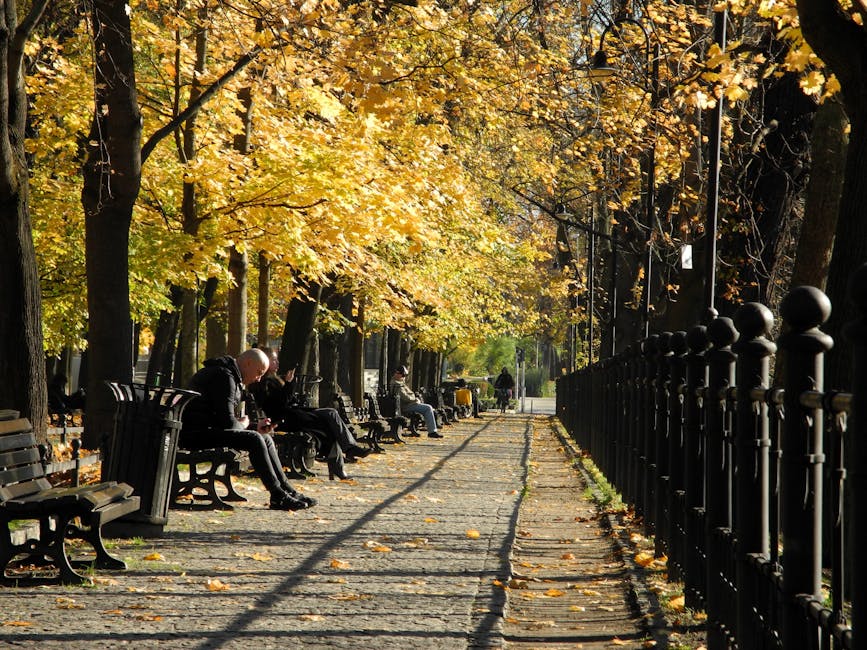
Saxon Garden — Ogród Saski: one of Warsaw’s oldest public parks. Address: Ogród Saski, ul. Królewska, 00-065 Warszawa. It’s a pleasant stroll to digest a museum visit or rest after moving between the Old Town and the administrative center. The park features walkways, fountains, shady benches and funerary monuments.
Anecdotes: the Palace of Culture and Science sparked long-lasting controversy; for some Poles it represents past oppression, while others appreciate it as a lively cultural venue. The Tomb of the Unknown Soldier is a focal point for patriotic ceremonies and private tributes—embodying both grief and pride for a nation that lost so many lives on its soil.
Local tips: for a spectacular sunset view, hit the Palace observation deck and then walk down toward the Saxon Garden via Piłsudski Avenue. In winter, the area around the Tomb is often draped in flags and national colors—a powerful moment to feel the site’s solemnity. Finally, pair a Palace visit with a show in one of its theaters if the schedule matches your stay; ticket prices vary (≈ €10–€40 depending on the event).
Practical tips and suggested routes to explore central Warsaw
Exploring central Warsaw requires a mix of planning and openness to the unexpected. Here’s practical info — transport, indicative prices, seasonal hours, safety tips and suggested walking routes for a full day or a half-day.
Transport: most central monuments are walkable if you’re staying in the Old Town, Śródmieście or around Nowy Świat. The closest metro stations to the historic center are Centrum and Świętokrzyska. Trams and buses also serve Plac Zamkowy, Krakowskie Przedmieście and Piłsudskiego. A standard public transport ticket costs around 4–5 PLN (≈ €0.90–€1.10) for 20–75 minutes depending on the type; buy tickets from station machines or via the ZTM Warszawa mobile app.
Safety: Warsaw is generally safe for tourists. Usual precautions apply: watch your belongings in busy tourist spots (Market Square, around the Castle) and avoid poorly lit streets late at night. Emergency number 112 works everywhere.
Full-day suggested itinerary:
- Morning (09:00–12:00): Start at Sigismund’s Column and visit the Royal Castle (Plac Zamkowy 4). Book a guided castle tour if you want a deep dive (60–90 minutes).
- Midday (12:00–14:00): Lunch on Rynek Starego Miasta (Old Town Market Square) — typical dishes ≈ €6–€12.
- Afternoon (14:00–17:00): Visit St. John’s Archcathedral (ul. Świętojerska 8) and stroll to the Barbican. Walk along Krakowskie Przedmieście to the Presidential Palace (ul. Krakowskie Przedmieście 46/48).
- Evening (17:00–20:00): Head up the Palace of Culture and Science for the panorama (Plac Defilad 1), then dine at a central restaurant (budget ≈ €12–€25 per person depending on the venue).
Half-day suggested itinerary:
- Morning: wander the Old Town, visit the Archcathedral and explore the Barbican (2–3 hours).
- Afternoon: coffee on Krakowskie Przedmieście, then a quick visit to the Tomb of the Unknown Soldier and the Saxon Garden.
Tickets and reservations: some popular museums and exhibitions offer online booking and skip-the-line tickets. State museums may provide free entry on certain days (e.g. the first Sunday of the month for some sites)—check current conditions online. For private guided tours, expect about €80–€150 for a French-speaking guide for a half-day depending on the agency and group size.
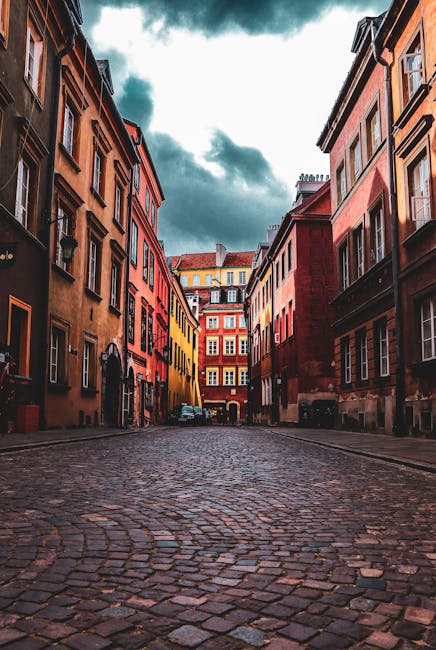
Final local tips: wear comfortable shoes — Old Town cobbles are charming but tiring; always carry water in summer; learn a few basic Polish phrases (hello — “dzień dobry”, thank you — “dziękuję”) as locals appreciate the effort; and allow time to sit on a bench and watch neighborhood life — often the best anecdotes begin there.
Conclusion: Understand the monuments, understand Warsaw
Visiting the monuments in the heart of Warsaw means confronting a history made of layers: medieval foundations and baroque restorations, 20th-century devastation and the reconstructions that followed. The buildings and spaces you pass through — the Royal Castle (Plac Zamkowy 4), the Old Town and its Market Square, St. John’s Archcathedral (ul. Świętojerska 8), the Barbican (ul. Nowomiejska), Sigismund’s Column and the Royal Route, the Presidential Palace (ul. Krakowskie Przedmieście 46/48), the Palace of Culture and Science (Plac Defilad 1) and the Tomb of the Unknown Soldier — are milestones that tell of victories, losses, resistance and rebirth in Poland. Every restored stone, every rescued painting, every commemorative ceremony contributes to the resilience of a city that chose active memory over forgetting.
Beyond the practical details (addresses, hours, prices given here in euros for convenience), the most important thing is your approach: visit these sites with historical curiosity and respect. Look for explanatory plaques, engraved names, small museums and local guides—these are often the people who pass on the liveliest stories, those of residents and witnesses. Don’t settle for a quick snapshot: step into museums, listen to guides, try the nearby local food and take time in the gardens to let the stories sink in.
Finally, remember Warsaw is changing: exhibitions rotate, restorations continue and cultural events make every visit unique. Before you leave, check official monument websites, book when necessary and, above all, allow yourself to discover the city on foot to feel the pulse of a place that, through its monuments, teaches us the value of memory and reconstruction.