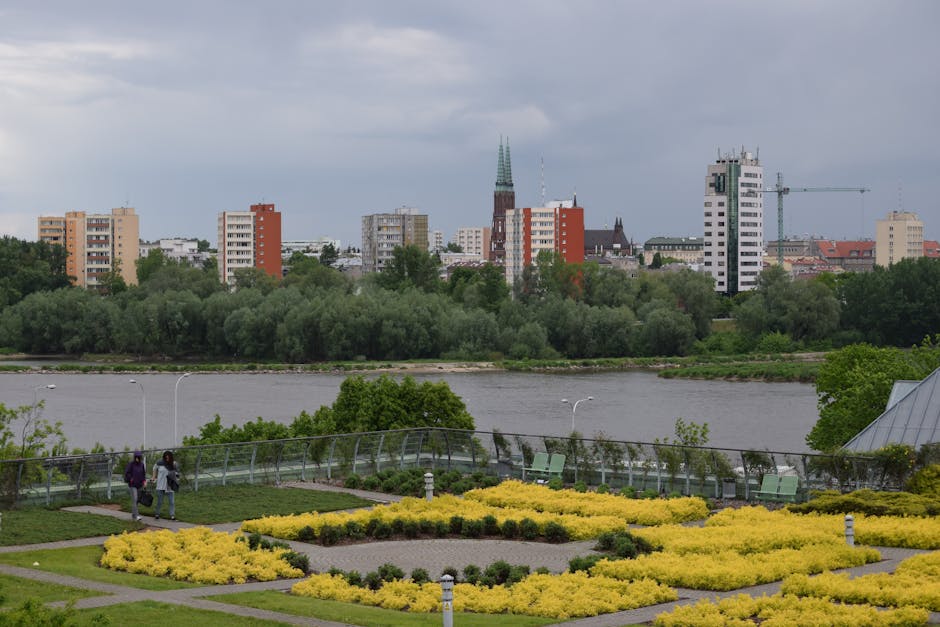




Introduction — Exploring Praga-Północ: From Workers’ Hamlets to Hidden Street Art
East of the Vistula, Praga-Północ unfolds with an authentic, lived-in feel: former workers’ hamlets, industrial facades, workshops, small shops and a street-art scene that grows more visible each year. Once regarded as Warsaw’s industrial “backyard,” Praga-Północ still shows its historical layers in the streets — brick tenement buildings, 19th-century inner courtyards and derelict sites slowly turning into cultural hubs. This walk is written as a practical guide for the curious traveler — not just for photographers or urban-art fans, but for anyone who wants to understand how a neighborhood’s memory is reshaped during a period of change.
The route focuses on concrete sites: the transformation of the old Koneser distillery, the facades and shops along Ząbkowska Street, the small but dense Praga Museum, murals and street art scattered along Targowa and side streets, plus green spaces and cafés where you can pause. I’ll give exact addresses, opening hours, entry prices in euros and local tips to make the most of your visit — best times to go, rainy-day alternatives, and how to approach the neighborhood respectfully. The goal is to provide an immersive, practical description for anything from a half-day stroll to a full day in Praga-Północ.
Keep in mind Praga-Północ is changing fast: new cafés, galleries or murals can appear; the prices and hours quoted here reflect recent practice but may vary with the season and events. I’ve also included recommendations for typical experiences (vodka tasting / visits to creative spaces) and basic safety tips — nothing alarming, just a few simple precautions so you can enjoy the area with peace of mind. Finally, to help you visualize the route, you’ll find useful image markers to spot sites and plan your shots.
1) Koneser — The Old Distillery Turned Cultural and Food Hub
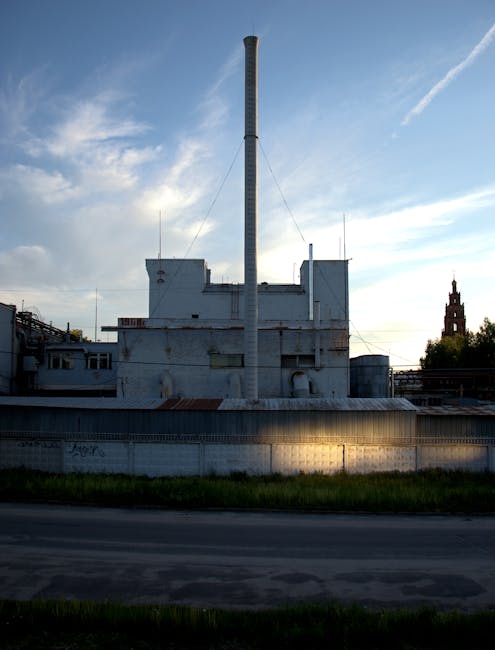
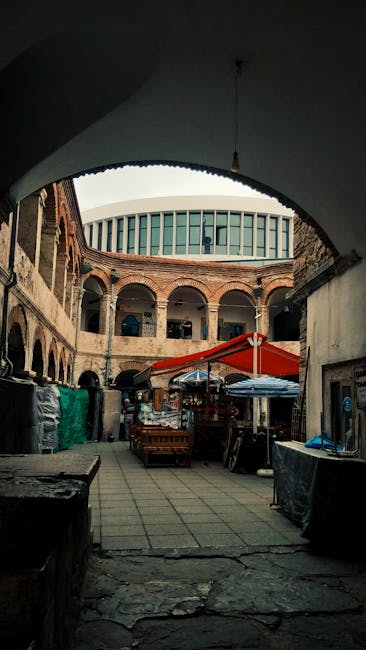
At the heart of Praga-Północ, the Koneser complex (Centrum Praskie Koneser) is the clearest example of industrial reuse. Address: Plac Konesera 2, 03-736 Warszawa. The red-brick ensemble now houses exhibitions, shops, restaurants and creative offices. Typical opening times: public spaces are accessible every day; shops and cafés usually open from 10:00 to 20:00 Monday–Saturday, and 11:00–18:00 on Sundays. The centerpiece is Koneser Courtyard, often animated by craft markets and cultural events (check the official calendar).
Inside is the Polskiej Wódki Museum (Polish Vodka Museum), which uses storytelling displays to explain Poland’s alcohol production history. Exact address: Plac Konesera 2, building A. Indicative entry fee: around 8–12 EUR (prices may vary for temporary exhibitions). Museum hours: 11:00–18:00 Tuesday–Sunday, closed Monday (confirm before you go). For a fuller experience, consider a guided tour of the reconstructed distillery or a tasting at Wódka Bar: tastings start at about 6 EUR per shot, cocktails 7–12 EUR.
Local tips: arrive in the morning to photograph the façade without crowds and head up to the mall terrace for a view over Praga’s rooftops. On summer evenings the courtyard hosts free concerts — check the schedule. Getting there: tram and bus stops « Dworzec Wileński » or « Rondo Starzyńskiego » are nearby; if you prefer the metro, get off at Metro Ratusz Arsenał and take a short tram ride (around 15–20 minutes total).
2) Ząbkowska and Targowa — The Commercial Heart and Hidden Murals
Ząbkowska Street (ulica Ząbkowska) and the Targowa axis (ulica Targowa) form the backbone of popular life and street art in Praga-Północ. Ząbkowska is known for its colorful tenements, small grocers, restaurants and alternative cafés. Stroll between numbers 11 and 30 to see the most picturesque facades and inner courtyards where some residents still run craft workshops. Popular cafés include « Café Kulturalna » (approximate location for orientation: ul. Ząbkowska 14 — verify the sign on site) and « Jaś i Małgosia Piekarnia » (a local bakery) for a break under 4 EUR for coffee + pastry.
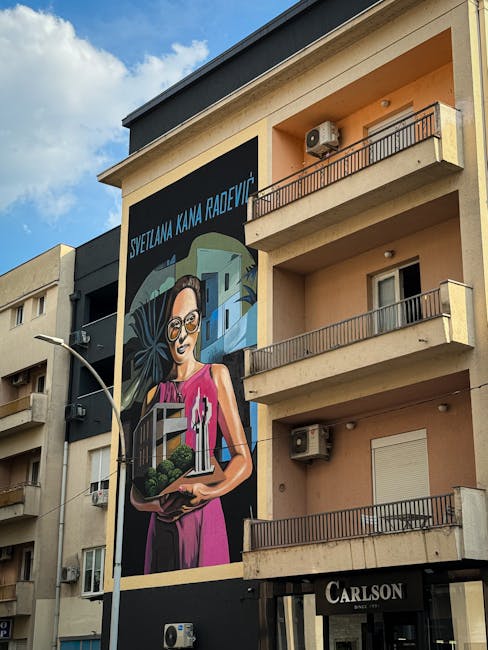
Targowa is the wider thoroughfare lined with contemporary murals: large compositions, portraits and abstract pieces. Look for works on façades between Targowa 72 and 90. Many pieces are created by local and international collectives; they change regularly, so expect pleasant surprises. For a specialized guided tour, several local collectives run 2-hour street-art walks: around 12–20 EUR per person depending on group size and language, often starting near the Syrena Monument on Ząbkowska or in front of the Lokalna Bookshop.
Hours: the streets are public 24/7, but if you plan to visit shops and galleries the typical window is 10:00–19:00. Photo tip: late afternoon gives soft light on the facades, or go early to avoid traffic. Respect private property: some murals are on private inner courtyards — don’t force your way in. Local trick: watch for small plaques marking « Praski Podwórko » (Praga courtyards); they often open onto unexpected gardens and tiny cafés.
3) Museums, Galleries and Studios — Understanding the Working-Class History
To grasp Praga’s working-class soul, two stops are essential: the Muzeum Warszawskiej Pragi (Praga Museum) and the many artists’ studios tucked into renovated buildings. Muzeum Warszawskiej Pragi — address: ul. Targowa 50/52, 03-733 Warszawa — presents exhibitions on everyday life in Praga, industrialization and post-war reconstruction. Entry fee: around 3–5 EUR (reduced rates for students and seniors). Hours: typically 10:00–17:00 Tuesday–Sunday, sometimes extended on Thursdays. Temporary shows often focus on street photography and local urbanism.
Nearby, small independent galleries and studios (often marked « pracownia/atelier ») offer direct contact with artists. Many open their doors during Noc Muzeów (Museum Night) or local events; otherwise it’s a good idea to call or message ahead to check availability and prices for artworks (small prints and silkscreens usually range from 20–80 EUR depending on the artist).
For an alternative museum experience, head to the Neon Museum in the Soho Factory area (address: ul. Mińska 25, 03-808 Warszawa). Although technically often associated with Praga-Południe, it’s worth the detour from Praga-Północ (5–10 minutes by taxi). Entry fee: around 6–10 EUR. Opening times can vary: often 11:00–19:00, closed some days — check the official site. These museums tell industrial stories but also celebrate popular culture: neon signs, everyday objects and visual archives.
Practical tips: pair a museum visit with a walk to better understand the neighborhood’s continuity. Carry euro coins for small shops and tips; many places accept cards but some studios prefer cash. Always ask before photographing inside a studio and prioritize buying local pieces if something speaks to you — supporting local artists is one of the best ways to help preserve the area.
4) Green Spaces, Cafés and Practical Routes — Ending the Day Gently
After a morning of discovery, Praga-Północ offers pleasant stops in small parks and authentic cafés. Park Praski (Park Praski) at al. Solidarności 71B is a large green space with a nearby zoo (Miejski Ogród Zoologiczny), ideal for relaxing. Park entry is free; zoo prices vary (around 8–12 EUR for adults). Bródno Park (Park Bródnowski) to the north of the neighborhood is quieter and perfect for an evening stroll.
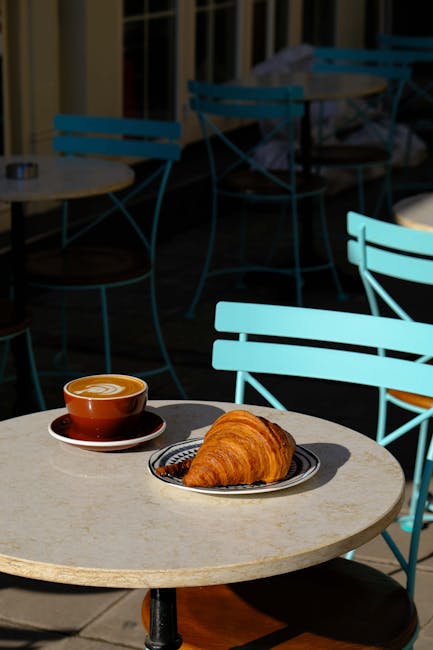
Recommended cafés: Kawiarnia Koneser (inside the Koneser Center, coffees 2.50–5 EUR), a small spot on Ząbkowska where an espresso costs about 2–3 EUR and a sandwich 4–6 EUR, and « Cafe Kamera » (approximate location: ul. Targowa near Ząbkowska) for a local vibe. For a typical evening meal, look for a bar mleczny (traditional canteen) to sample Polish dishes on the cheap (main courses 3–7 EUR).
Getting around: Praga-Północ is well served by public transport. Trams: lines 3, 11, 13 and 26 (depending on route) and local buses. The nearest metro station: Metro Ratusz Arsenał (Line M1) then tram or bus. A single public transport ticket in Warsaw costs about 1.20–1.50 EUR (depends on duration and ticket type); if you’ll be hopping around, consider a day pass (about 4–6 EUR).
Final day tips: finish with an aperitif in Koneser Courtyard or a walk along the Vistula at sunset for a different perspective on the city. If you have a late train or flight, book a taxi or leave extra time for public transport — some lines run less frequently at night. Be open to encounters: many artisans and artists welcome curious visitors — a simple conversation can turn a visit into a memorable story.
Conclusion — Why Praga-Północ Deserves Your Time
Praga-Północ isn’t just an « alternative » neighborhood in Warsaw: it’s a living archive where the city’s economic, social and cultural changes are written into the urban fabric. Between rehabilitated factories like the Koneser Center, the colorful façades of Ząbkowska, murals along Targowa and local museums, the walk outlined here lets you read a rich and contrasting urban story. You’ll find an authentic neighborhood life made of small businesses, inner courtyards, artists’ workshops and cafés that keep a popular atmosphere.
Visiting Praga-Północ means walking, stepping into courtyards when they’re open, taking your time in a local museum and talking to residents. The hours and prices listed will help you plan, but the neighborhood’s true value lies in the details: a painted shopfront, the sound of a woodworking shop in a courtyard, a temporary market in Koneser Courtyard. Practically, wear comfortable shoes, carry small change for little purchases, and follow the suggested visiting times — mornings for photos, late afternoon for soft light and a relaxed vibe.
Finally, respect the residential character of many parts of Praga. Tourist curiosity is welcome, but it must fit with everyday life: no loud behavior in courtyards, always ask before photographing indoors, and support local initiatives by buying art or consuming on site. By following these simple principles, your walk through Praga-Północ will not only be a memorable cultural route but also a meaningful way to support a neighborhood that’s reinventing itself while preserving its past.