





Introduction — Mokotów residential: a human-scale neighborhood, far from the tourist clichés
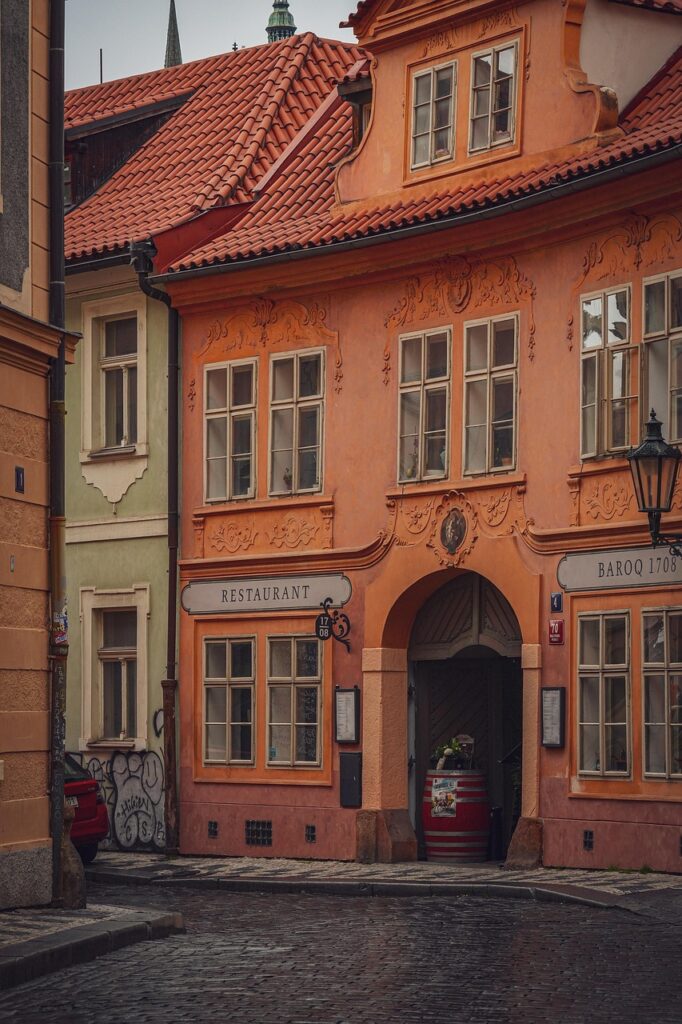
Mokotów, in the southern part of Warsaw, is often seen by visitors as just a business district or a plain residential area with little to offer tourists. But those who take the time to wander its calm streets, tree-lined avenues and hidden gardens discover a network of secret parks, flowered inner courtyards and local cafés that feel genuinely neighborhood‑based. This guide focuses on the residential side of Mokotów — away from the busy shopping streets and crowded attractions — and gives itineraries, exact addresses, indicative prices in euros, opening hours and practical tips to get around like a local.
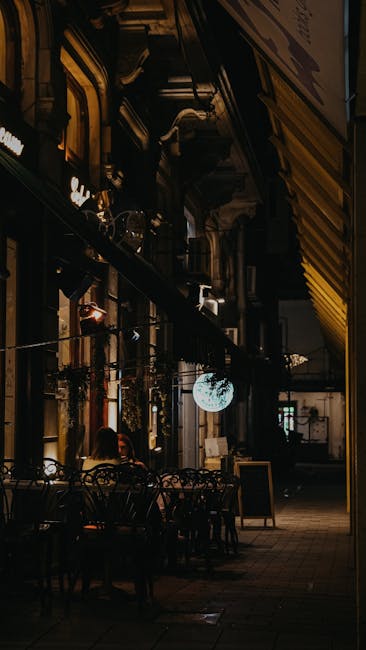
This district is perfect for travelers who want a slower pace, authentic coffee breaks and walks through greener spots with fewer people. In Mokotów, parks aren’t just lawns but micro-landscapes: small wooded patches, discreet ponds, lawns where families play and shaded paths frequented by early-morning joggers. Cafés are often independent, offering specialty coffee, homemade pastries and sometimes simple seasonal dishes. You’ll find tiny terraces and cozy interiors where people read the paper, work on laptops or linger over an espresso.
This guide offers a practical, detailed immersion: exact addresses to help you find your way, common opening hours, approximate euro prices to plan your budget, and vivid descriptions so you know what to expect. It also includes suggested routes to combine a secret park with a snug café, local tips on the best times to visit, and useful info like accessibility, safety and proximity to public transport. Whether you’re staying a week or just a weekend, residential Mokotów can show you a different side of Warsaw — more human, calmer, more authentic.
Throughout this article you’ll also find visual markers 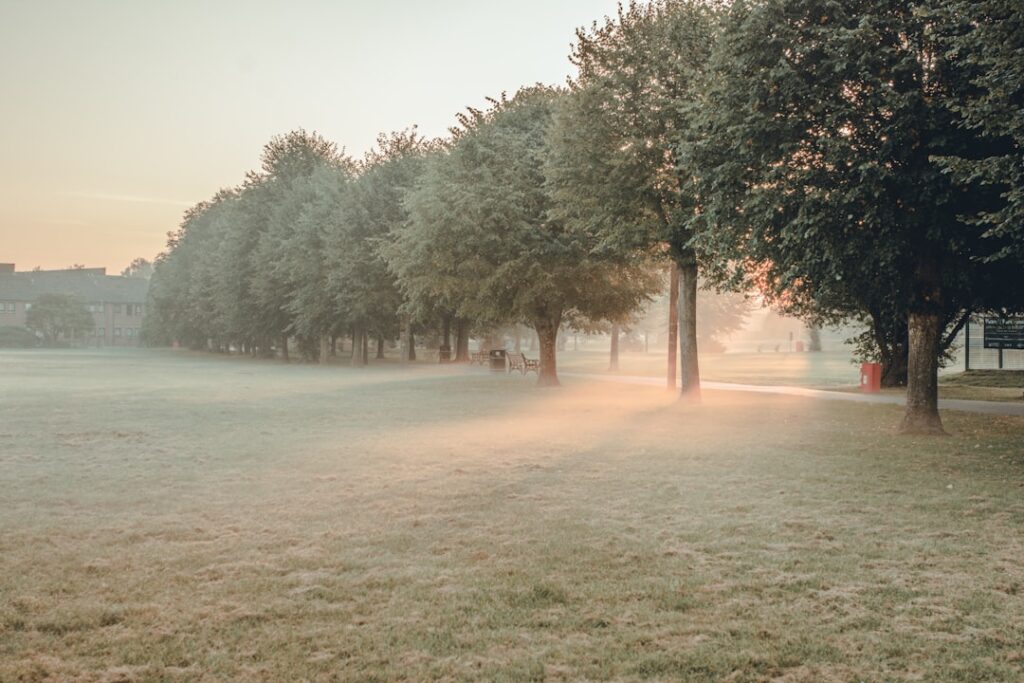 placed at the most photogenic spots to help you picture these places before you visit. We cover parks that are known but never overcrowded, quiet gardens and low‑profile cafés that capture the neighborhood spirit. Finally, the guide includes practical tips: how to avoid busy times, which terraces to favor in summer, and where to pick up a great Polish pastry to go with your coffee. Follow the guide to discover a quieter, surprise‑filled Mokotów.
Park Pole Mokotowskie: big green space, quiet corners and local life
Pole Mokotowskie is the historic green lung on the northern edge of Mokotów. Although it’s one of Warsaw’s largest green spaces, it still has many peaceful nooks where locals picnic, walk dogs or exercise without the tourist crowds. Address: Pole Mokotowskie, ul. Polna / Aleja Niepodległości, 00-001 Warszawa. Access: open daily, generally from dawn to dusk; some paths are accessible 24/7. The park is easy to reach by tram or metro (Pole Mokotowskie / Racławicka stations depending on your entrance).
Immersive description: in the early morning light filters through tall plane trees and the lawns still carry the dew. Joggers follow winding loops while students spread blankets between the trees. At the southern end you’ll find small alleys lined with benches where retirees read and chat. The quietest spots are along the side trails, away from main roads and sports fields. In summer, food trucks sometimes appear near main entrances, but the deeper you go the more tranquil it becomes.
Facilities and hours: the park is free to enter. Facilities: children’s playgrounds, outdoor sports areas, public toilets near the main paths (hours vary, typically 08:00–20:00 depending on season). Local tip: for a peaceful visit aim for weekday mornings (07:00–10:00). Sunday afternoons can be busier with families and occasional small markets. Note: avoid unlit trails at night.
Nearby cafés: for a break after your walk head to Green Caffè Nero, Galeria Mokotów, ul. Wołoska 12, 02-675 Warszawa — open 08:00–22:00, filter coffee about €2.50–€3.50; or Bistro 5 Światów, ul. Rakowiecka 37, 02-532 Warszawa — open 09:00–18:00 on weekdays, coffee €2.00–€3.00. Tip: bring a small picnic blanket and buy a local pastry (pączek or drożdżówka) for a Polish-style picnic.
Królikarnia and its park: museum, tucked-away café and shaded groves
Królikarnia — official name: Królikarnia, Xawery Dunikowski Sculpture Museum — is a cultural and landscaped highlight of Mokotów. Address: ul. Puławska 113A, 02-540 Warszawa. Opening hours: typically Tuesday–Sunday 11:00–18:00 (closed Mondays); the ticket office may close 30–60 minutes before the museum. Price: adult ticket around €6.00–€8.00 (varies with temporary exhibitions), reduced €3.00–€4.00. The museum is set within an intimate park, perfect for a contemplative stroll after viewing the exhibits.
Immersive description: the Królikarnia building, a former neoclassical palace, stands in a park where modern sculptures mingle with beech groves. Winding paths open onto lawns dotted with outdoor artworks; the atmosphere feels like a small aristocratic estate turned cultural spot. The museum café is discreet, with a small terrace overlooking the sculptures — an ideal place for a filter coffee and a homemade tart before you head on.
Practical tips: pair the museum visit with a walk through the park’s side paths: the north and east areas are less visited. If you go on a weekday you’ll enjoy near‑total silence — perfect for reading or photos. The museum sometimes runs guided tours in English and Polish — check the official calendar before your visit. For families the park is stroller-friendly and safe; some weekends feature children’s workshops (prices and times vary).
Transport and parking: reachable by tram and bus (lines serving ul. Puławska), limited parking on site — prefer public transport or a taxi/Uber. Local tip: the best time for photos is the golden hour (late afternoon) when the sun filters through the foliage and highlights the sculptures.
Hidden parks and neighborhood gardens: Dreszera, Morskie Oko and little oases
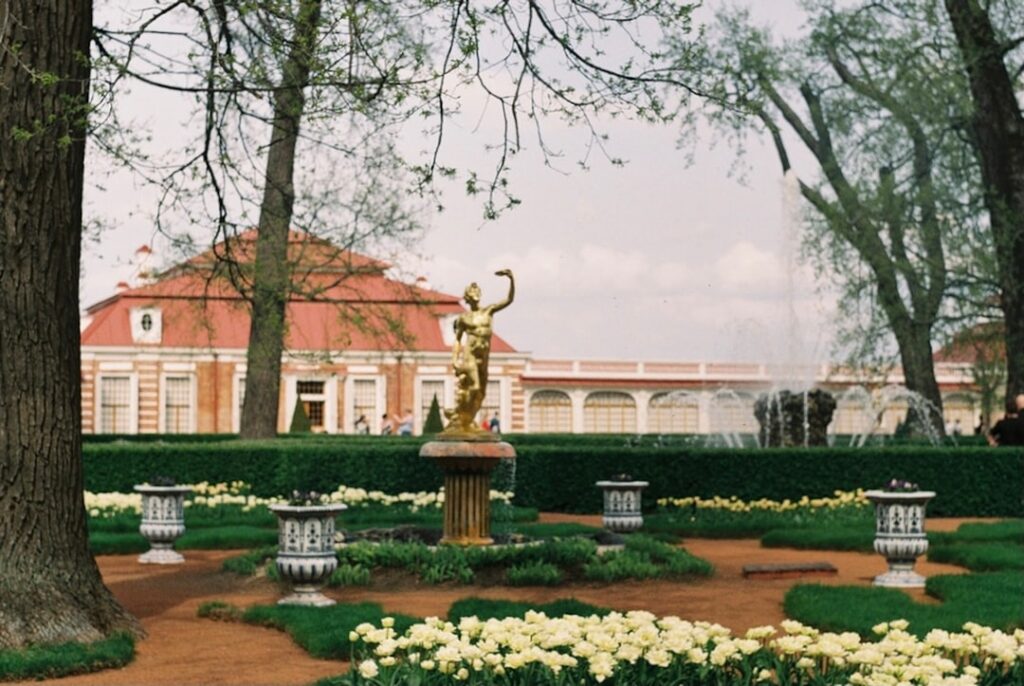
Mokotów is home to a string of lesser-known but equally charming parks: Park Dreszera, Park Morskie Oko (a small local pond) and several courtyard gardens that offer a green pause in the city. These spots are usually frequented by residents rather than tourists. Example locations: Park Dreszera — ul. Marszałkowska / ul. Narbutta (nearby); Park Morskie Oko — ul. Puławska / ul. Madalińskiego (small pond and lawn); these places are open daily, generally from dawn to dusk, and free to enter.
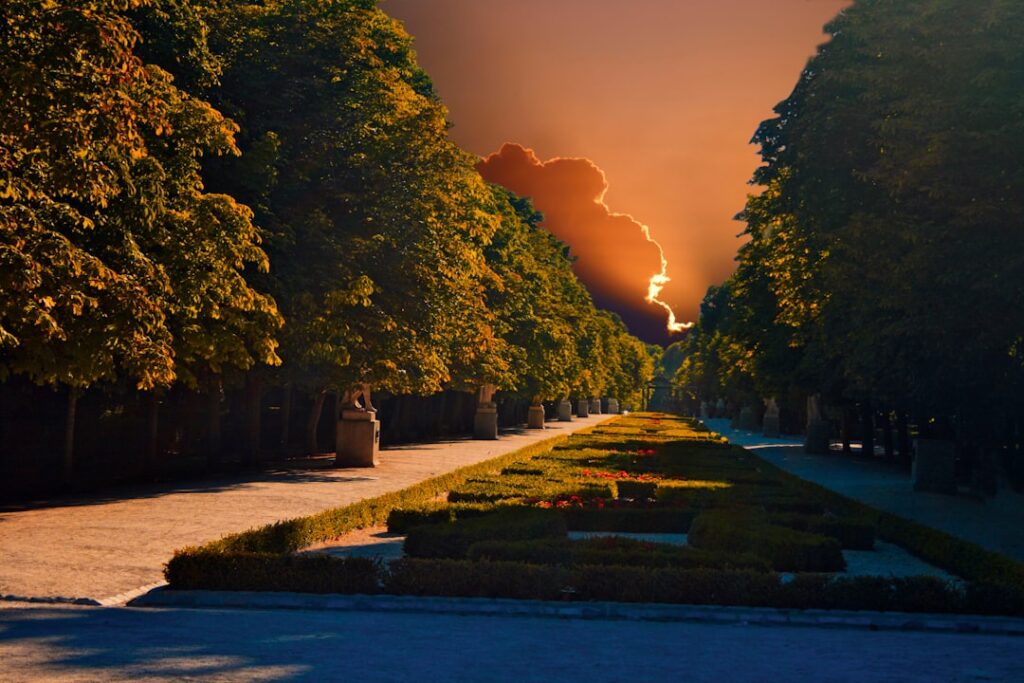
Immersive description: picture a linden‑lined path where sunbeams slip through the branches and you hear birdsong more than traffic. Neighborhood parks have well‑worn but comfortable benches, shaded spots perfect for an afternoon nap and gravel paths great for brisk walks. Small fountains and ponds attract families and become meeting points for dogs and their owners.
Activities and facilities: these spaces often have playgrounds, outdoor fitness equipment and sometimes impromptu pétanque areas. They make excellent starting points for short walking routes between cafés and local shops. There’s usually no permanent kiosk, so bring water, especially in summer. For refreshments head to nearby cafés: Cafe Karma, ul. Madalińskiego 22 — open 08:00–20:00, coffee €2.50–€3.50; or Bistro Arka, ul. Narbutta 45 — open 09:00–18:00, sandwiches €4.00–€6.00.
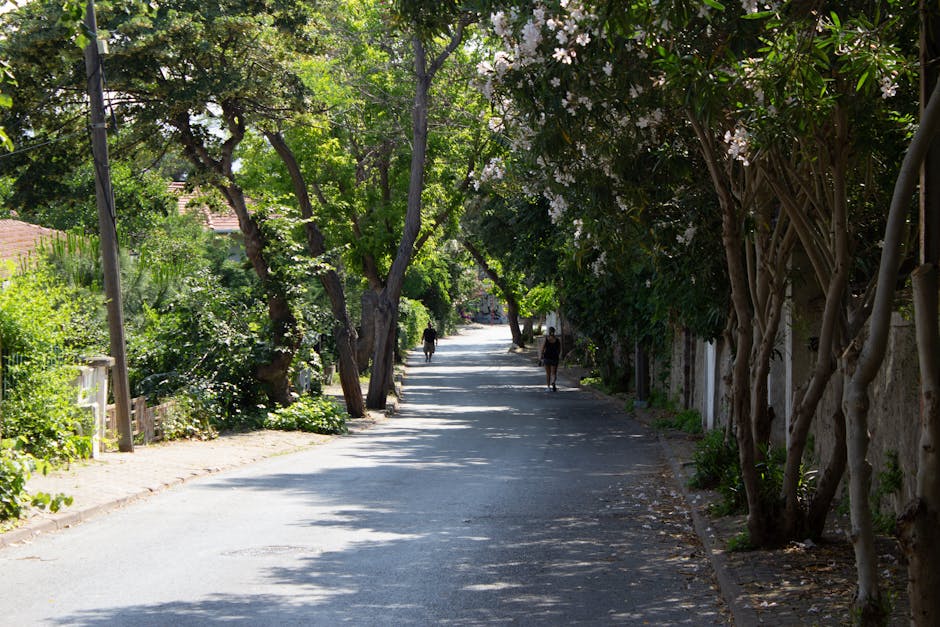
Local tips: explore the small streets parallel to the main avenues — you’ll find inner courtyards with community gardens where residents grow herbs and flowers. These courtyards are usually accessible through alleyways behind buildings; always respect the quiet and privacy of these spaces. The best time to enjoy these parks is late afternoon on a weekday, when schools are over and the light turns soft.
Low‑profile cafés and neighborhood terraces: where to get a proper coffee in Mokotów
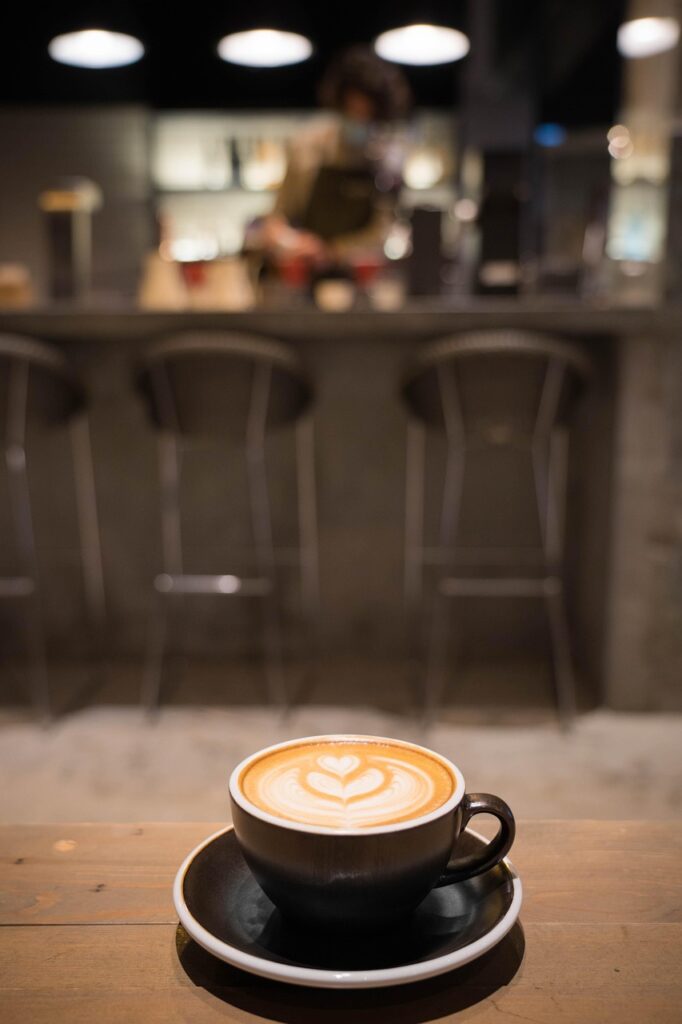
The café scene in Mokotów is central to neighborhood life. Instead of big chains, you’ll find independent spots where time seems to move differently. Here’s a practical selection with addresses, hours and price ranges to plan your breaks.
- Green Caffè Nero — Galeria Mokotów, ul. Wołoska 12, 02-675 Warszawa. Hours: 08:00–22:00 (daily). Prices: espresso €2.20, cappuccino €2.80, pastry €1.80–€3.00. Why go: easy access, Wi‑Fi, ideal after a walk in Pole Mokotowskie.
- Café Karma, ul. Madalińskiego 22, 02-513 Warszawa. Hours: 08:00–20:00, closed Sundays (hours may vary). Prices: filter coffee €2.50–€3.50, sandwiches €4.00–€6.00. Vibe: a small neighborhood café, wooden tables, local clientele and a calm atmosphere.
- Bistro 5 Światów, ul. Rakowiecka 37, 02-532 Warszawa. Hours: 09:00–18:00 (weekdays), weekend brunches (check times). Prices: breakfast €4.00–€8.00, coffee €2.00–€3.00. Why: simple cooking, local produce and a warm welcome.
- Café at Królikarnia (museum), Królikarnia, ul. Puławska 113A, 02-540 Warszawa. Hours: follow the museum schedule, terrace open in season. Prices: coffee €2.50–€3.50, desserts €3.00–€5.00. Perfect for combining art and relaxation.
Practical tips for choosing a café: if you’re working remotely look for places that advertise Wi‑Fi and power outlets; arrive early to snag a terrace table in summer; try local pastries (pączek, sernik) for an authentic treat. Don’t forget to ask about the daily specials: many small places offer a homemade cake that changes with the seasons.
Combined walks: half‑day and full‑day routes
Here are two easy, practical routes to enjoy residential Mokotów at a relaxed pace. These itineraries mix secret parks, cafés and cultural stops.
Half‑day itinerary (morning): Start at Pole Mokotowskie (entrance from Aleja Niepodległości) for a morning stroll (1–1.5 hours). Then walk or take the tram to Królikarnia, visit the museum (1–1.5 hours) and enjoy a coffee on the museum terrace. Total time: about 3 hours. Estimated costs: Królikarnia entry €6.00–€8.00 + coffee €2.50–€3.50.
Full‑day itinerary: morning at Pole Mokotowskie, brunch at Bistro 5 Światów (ul. Rakowiecka 37), then wander through neighborhood gardens toward Park Dreszera and stop at Café Karma. In the afternoon explore the small shopping streets of Sadyba (a southern residential area of Mokotów) before finishing with dinner at a local bistro. Estimated costs: brunch €6.00–€12.00, coffees and snacks an additional €5.00–€10.00.
Logistics tips: wear comfortable shoes, pack a light umbrella depending on the season, and carry a small water bottle. For transport, the MPK card (bus/tram/metro) is handy: historically a standard ticket cost around €1.00–€1.50 depending on duration, available at machines and via mobile apps. If you prefer taxis, use local apps (Bolt, Uber) for quick hops between parks and cafés.
Conclusion — Mokotów as a microcosm of Warsaw life
Residential Mokotów invites you to slow down and rediscover Warsaw differently. Rather than ticking off monuments and rushed visits, this neighborhood offers everyday moments: a park for a morning run, a terrace for a long coffee, and quiet lanes where you trade a smile with a passerby. Parks like Pole Mokotowskie and Królikarnia are places to breathe, while small neighborhood cafés embody local hospitality and the gentle pace of life. The addresses and hours in this guide help you plan with confidence — but always check local sites or pages for updates (public holidays, temporary exhibitions or seasonal hours).
Visiting Mokotów also means intentionally getting a little lost in the side streets, following alleyways that open onto hidden courtyards and embracing the spontaneity of a café chosen at random. The euro prices give you a baseline to budget your outings, and the local tips — best times, route variations, photo hints — will help you experience the neighborhood like a temporary resident. If you’re short on time, prioritize Pole Mokotowskie and Królikarnia; if you want to stroll, focus on the neighborhood gardens and independent cafés.
Ultimately, residential Mokotów is a welcome counterpoint to Warsaw’s more touristy areas: a place where the city feels like a village and every corner can hold a small discovery. Whether you’re into art, Sunday walks or long coffee breaks, this guide invites you to add Mokotów to your mental map of Warsaw — not just as a stop, but as a slow, savourable experience.