




Introduction — Białołęka: Warsaw’s Underrated Side — Where Tradition Meets New Development
Białołęka is often seen by visitors as Warsaw’s “quiet suburb,” but this northeastern district of the Polish capital deserves a closer look. Stretching along the Vistula’s curves and crossed by the Kanał Żerański (Żerań Canal), Białołęka blends preserved green spaces, small village churches, recent housing estates and ongoing construction projects: a patchwork where rural traditions and urban dynamics meet. For the curious traveler, it’s a chance to see a different Warsaw — one less focused on the skyline and more on everyday life, riverside strolls, local markets and contemporary residential architecture.
In this detailed introduction we’ll cover what gives Białołęka its character: its recent history of being absorbed into Warsaw’s urban fabric, neighborhoods like Tarchomin, Nowodwory, Żerań and Henryków, and how the district is changing with new real-estate developments. We’ll explain how to get around, where to find parks and riverside walks, must-visit cafés and places to eat, and practical tips on opening hours, prices and local customs.
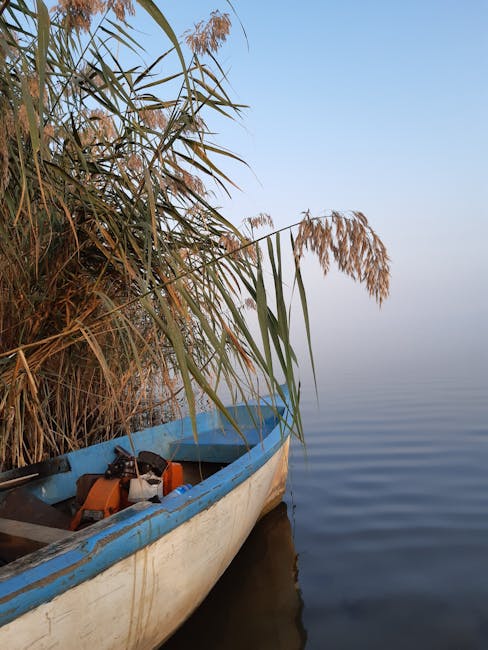
Białołęka isn’t an open-air museum: its appeal lies in the authenticity of its lanes, family homes with gardens, modern estates with public spaces, and spots where nature still feels close. Walks along the Kanał Żerański or the Vistula’s backwaters reveal surprising views: herons, reed beds, small boats and discreet industrial bridges. At the same time, recent housing programs have added apartment blocks, shopping complexes and local services; urban planning aims to create lively neighborhoods well connected to the rest of Warsaw.
This guide is practical: you’ll find full addresses (town hall, parks, cafés), prices converted into euros, typical opening hours and local recommendations. Whether you’re a short-term resident, a weekend visitor or an urban reporter, this text will help you understand and appreciate the special role Białołęka plays in Warsaw’s landscape. We also include photo pointers to visually illustrate the walks, modern façades and green spaces; check these images before planning your routes.
Białołęka: historical overview and local identity
The name Białołęka — literally “white hill” — comes from a landscape long made up of fields, forests and agricultural villages. Its gradual incorporation into Warsaw, mainly during the 20th century and more intensively after 1989, transformed the district’s profile: family farms gave way to housing estates and apartment blocks, while some places retained a very tangible village charm. Today the district includes neighborhoods that reflect these historical layers: Henryków, Tarchomin, Nowodwory, Żerań, Płudy.
Exploring Białołęka you’ll notice the coexistence of traditional municipal facilities — small parish churches, primary schools, village squares — alongside modern infrastructure (local shopping centers, business zones). Along the Kanał Żerański and near the Vistula, the industrial history of Warsaw’s northern bank remains visible: old factories, warehouses and railway lines sit next to areas repurposed as recreational spaces. The presence of nature reserves and wetlands also gives the district a strong nature-oriented identity.
If you want to get a feel for local life, a useful stop is the district administration office: Urząd Dzielnicy Białołęka m.st. Warszawy, often a source of cultural and practical information. Address: ul. Modlińska 197, 03-286 Warszawa. Typical opening hours: Monday to Friday from 8:00 to 16:00 (closed weekends) — check online for public holidays. Visiting the office is handy for picking up brochures, maps or details about local events, including neighborhood festivals and seasonal markets.
Prices and cost of living in Białołęka are generally more affordable than in the city center: rents and some local services (hairdressers, small restaurants) can be 10–25% cheaper than downtown. In euros, a coffee at a bar (kawa) costs about €1.50–€3.00; a simple lunch at a local café runs €6–€12. Neighborhood food markets offer seasonal produce often cheaper than big supermarkets. Culturally, many community activities are free or low-cost, helping newcomers integrate and keeping a vibrant local scene.
Walking around: parks, Vistula riversides and recommended routes
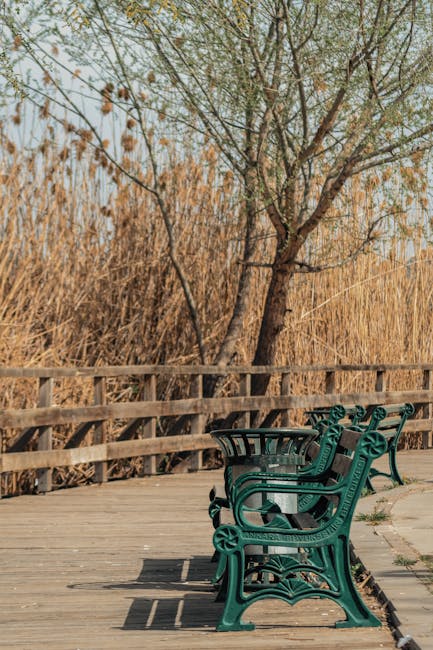
Białołęka is ideal for walks and outdoor outings. The Vistula banks and the Kanał Żerański offer varied natural routes: sandy paths, cycle tracks and wetlands where urban birdlife is surprisingly rich. A recommended route starts near the Północny bridge (the large bridge along Modlińska Street) and follows the banks northeast toward quieter, more rural stretches.
A family-friendly stop is the nature park near the Nowodwory/Tarchomin neighborhoods — wide grassy areas and playgrounds where kids can run free. Cyclists will appreciate several paths running alongside the waterways, suitable for rides of 10–30 km with little elevation. The district also has small reserves and wooded areas perfect for picnics. Access is free (price: €0), but respect local signs that prohibit fires and camping.
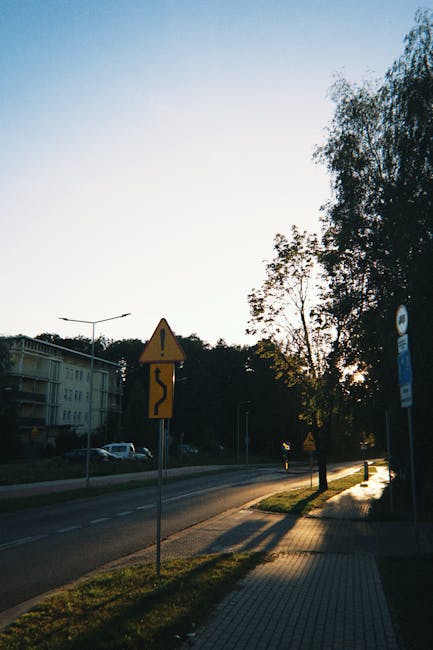
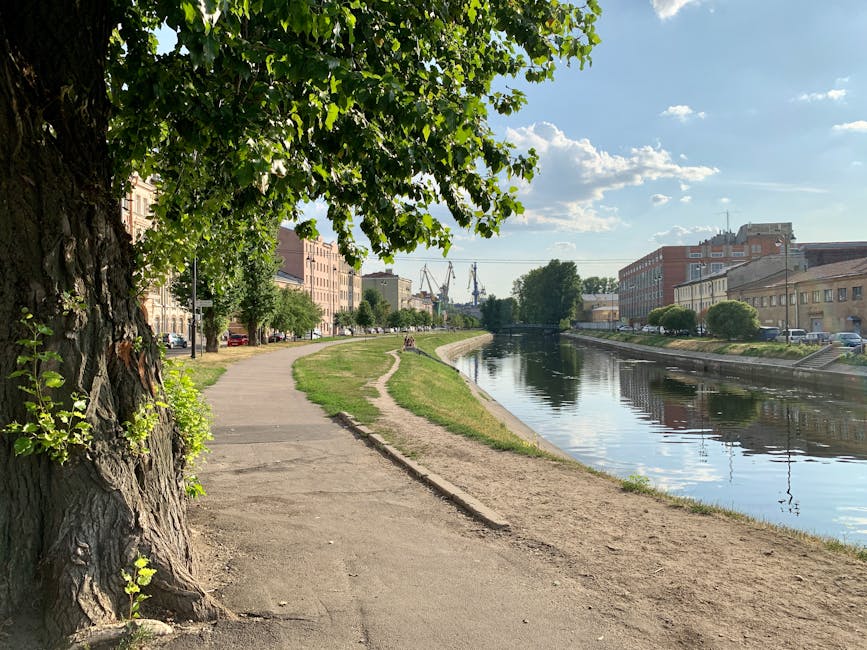
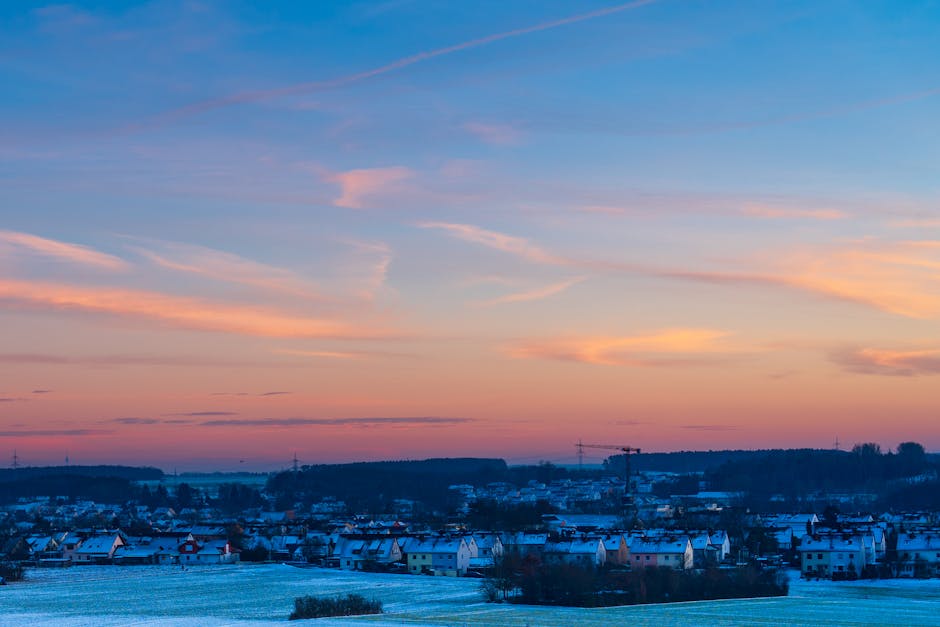
For a more urban feel, stroll along Modlińska Street to discover modern façades, recent commercial areas and cafés to settle into. Sunset spots along the canal are especially photogenic: tree silhouettes, metallic reflections on bridges and the outlines of new apartment blocks create a gentle atmosphere. Bring binoculars for birdwatching or a pocket plant guide if you’re interested in riverside flora.
Practical tips: bring water and sturdy shoes (some paths get sandy or muddy after rain). Parking near the banks is often free but limited; it’s better to use a bike or public transport to avoid long searches for a space. Respect nature: take your rubbish with you, don’t feed wild animals and stick to marked trails.
Modern heritage: new builds, architecture and urban projects
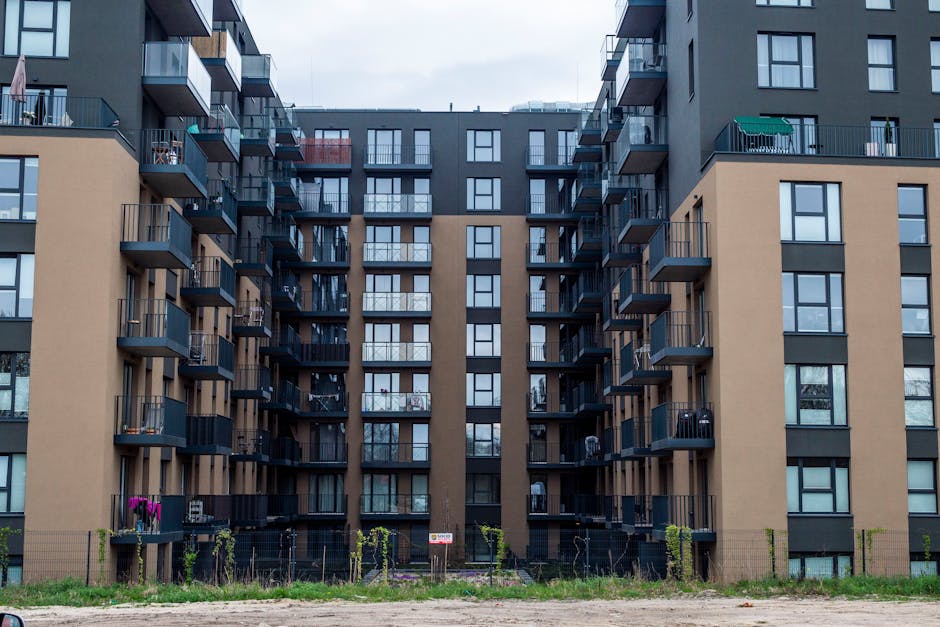
Since the 2000s Białołęka has experienced a residential boom visible in clusters of modern blocks, social housing projects and family-oriented estates. Developers focus on communal spaces, playgrounds and nearby shops to attract households seeking a higher quality of life at lower cost than the city center. These new neighborhoods often combine low-rise buildings with denser blocks, with growing attention to pedestrian connectivity.
Recent infrastructure includes local shopping centers, municipal gyms and modern daycare facilities. A typical example is a neighborhood retail hub along Modlińska, hosting supermarkets, pharmacies and quick restaurants — convenient for residents and visitors alike. Prices in these shops vary: a modest brasserie meal usually costs €8–€15; a cinema ticket or leisure activity at a center runs about €6–€12.
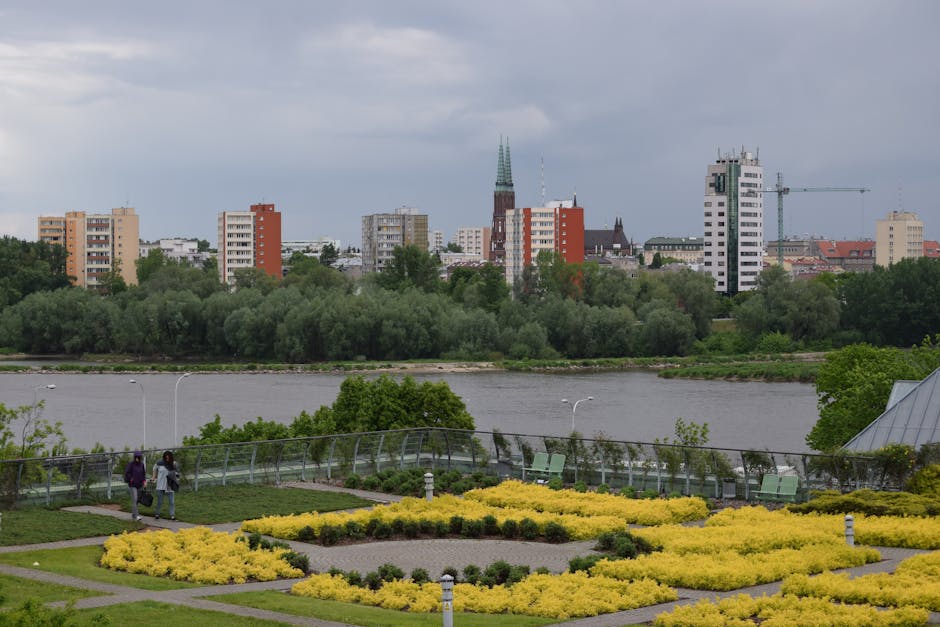
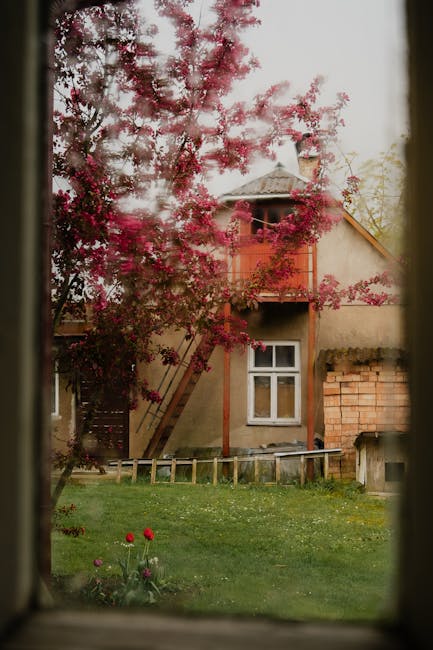
Ongoing construction often brings public amenities: cycle lanes, small squares and outdoor sports areas. Urban planning aims to reduce the isolation of new neighborhoods by improving bus links and, eventually, expanding public transport. If you’re into contemporary architecture, look for mixed brick-and-wood façades, roomy balconies and green inner courtyards — signs of a residential approach focused on quality of life.
Observation tips: carry a map and pinpoint transforming zones; construction hours (often 7:00–17:00 on weekdays) let you watch urban dynamics, but don’t enter building sites. For photos, favor morning or late-afternoon light for the best perspectives.
Practical life: transport, eating out, markets and local tips
Getting around Białołęka is straightforward thanks to the municipal bus network (ZTM Warszawa). Main lines connect to transfer points for the city centre and metro and tram stops. ZTM fares: short trip (20 minutes) about 4.40 PLN (~€1.00), normal ticket (75 minutes) about 6.00 PLN (~€1.35), 24-hour ticket around 15.00 PLN (~€3.40). Tickets can be bought at machines, kiosks (tabacchi) or via the ZTM mobile app. Frequencies vary by line; during daytime buses often run every 10–20 minutes, with sparser service at night.
For food, here are some practical local spots where you can taste Polish or international dishes:
- Restauracja Pod Żurawiem — ul. Modlińska 210, 03-287 Warszawa. Polish cuisine and fish dishes. Prices: main courses €9–€18; open Tuesday–Sunday 12:00–21:00.
- Café Kawiarnia Na Rogu — ul. Mehoffera 12, 03-286 Warszawa. Specialty coffee, pastries, breakfasts €2–€6; open 8:00–19:00 daily.
- Smaczne Bistro Tarchomin — ul. Pasłęcka 5, 03-283 Warszawa. Budget lunches €6–€10; open 11:00–20:00.
These places offer simple dishes, often made with local ingredients, and prices suited to neighborhood customers. Hours may change with the seasons; it’s a good idea to call or check local pages before heading out.
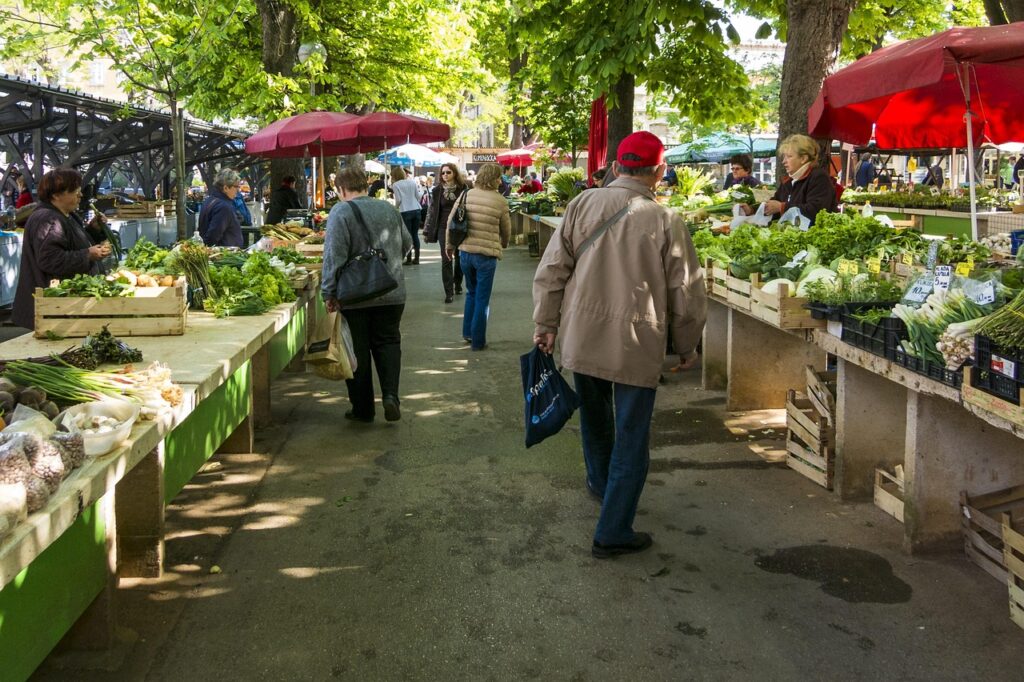
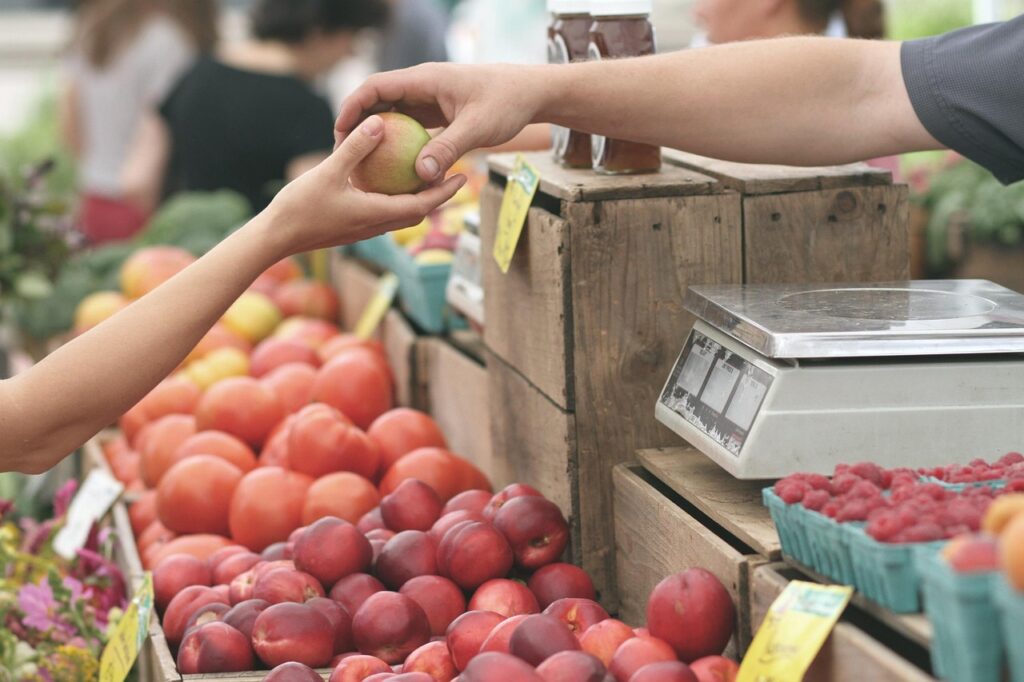
Białołęka’s markets are a great showcase for local produce: seasonal fruits and vegetables, cheeses, cured meats and artisan breads. Look for outdoor markets held on weekends along main arteries; prices are competitive: a kilo of apples €1–€2, an artisan loaf €1–€2.50. Markets are also excellent places to chat with vendors and get tips about seasonal specialties.
Essential local tips: prefer card payments in newer shops but keep some cash for small kiosks or markets. A few basic Polish phrases — “dzień dobry” (hello), “dziękuję” (thank you) — go a long way. Finally, plan walks around sunset to avoid mosquitoes near the shores and bring a jacket: the wind can be cool in the evening, even in summer.
Conclusion — Why visit or settle in Białołęka
Białołęka shows another side of Warsaw: away from the city’s major avenues it combines nature, village-like simplicity and residential modernity. For visitors it’s an opportunity to discover a calmer urban life, walks on natural banks and neighborhoods in transition that tell the recent story of the Polish capital. For prospective residents Białołęka offers an attractive compromise: regular connections to the centre, quality of life with parks and green spaces, and generally lower costs than the city core.
Practically speaking, the district is well equipped: municipal services like Urząd Dzielnicy Białołęka (ul. Modlińska 197, 03-286 Warszawa) provide local information, while bus networks and cycle paths make getting around easy. Local shops, cafés and markets cover everyday needs and guarantee good food at reasonable prices. New construction programs are energizing the housing offer while prompting debates about preserving natural areas and local identity — it’s precisely this contrast that makes a visit interesting: watching a city reinvent itself.
In short, Białołęka invites you to slow down, walk, cycle and observe urban nature. Whether you come for an afternoon, a weekend or to consider moving here, plan routes along the Kanał Żerański, stop at neighborhood cafés and take sunset walks along the Vistula. You’ll find a less-touristy but equally rich Warsaw — a place where tradition and new development coexist and everyday life offers another way to experience the capital. Enjoy your trip and happy discoveries in Białołęka!