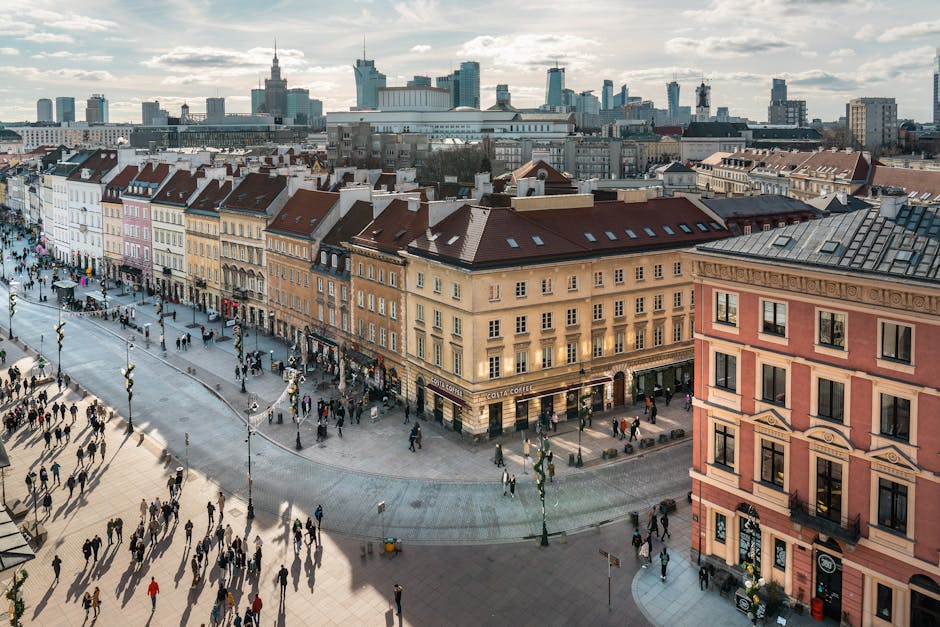





Introduction — Why pick your neighborhood in Warsaw?
Warsaw is a city full of surprises: modern and rebuilt, steeped in history yet vividly alive. Picking the right neighborhood shapes your stay — whether you’re after museums and heritage, buzzing nightlife, or a quiet residential vibe for strolling and relaxing. This guide highlights the districts and must-see spots, with exact addresses, prices in euros, opening times and practical tips to help you experience Poland’s capital efficiently and intentionally.
The city is spread out and well-organized: the center is split between Stare Miasto (Old Town), Śródmieście (the administrative and shopping core) and nearby districts like Powiśle, Mokotów and Żoliborz. Each has its own feel — cobbled streets and museums in the Old Town and along Krakowskie Przedmieście, cafés and bars on Nowy Świat and in the Pawilony courtyards, lush green spaces in Łazienki and Powiśle. Public transport (metro, trams, buses) makes getting around easy; still, the quality of your trip often comes down to which neighborhood you choose: staying in Powiśle generally means more peace than lodging near Mazowiecka if nightlife is your priority.
This guide is aimed at a few profiles: the culture lover wanting museums and palaces, the partygoer hunting the best bars and clubs, and the traveler seeking calm to work or recharge. For each neighborhood I give precise places (museums, parks, streets), typical prices in euros for main attractions, usual opening hours, plus local tips — where to eat, when to avoid crowds, and how to make the most of your movements. Prices and times shown are averages or standard full-price rates; check official sites before visiting for discounts, museum passes or exceptional closures.
Finally, to make the guide visual and inspiring I’ve placed image anchors at strategic points: historic facades, lively streets, sunny parks and night scenes. These cues should help you picture each neighborhood before you arrive. Get ready to discover Warsaw based on your mood — culture, night or calm — and to plan a stay that suits your pace.
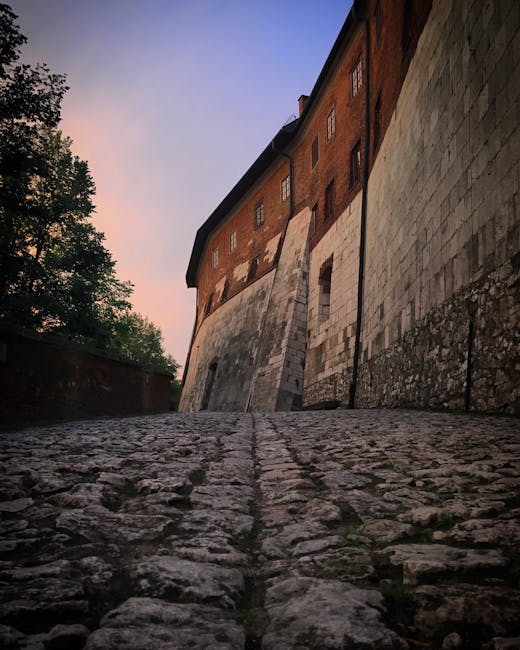
Culture — Stare Miasto, Krakowskie Przedmieście and the POLIN Museum
If you’re into culture, the historic core and its surroundings make an ideal base. Start in Stare Miasto (Old Town) at Sigismund’s Column, then walk down Krakowskie Przedmieście, the stately avenue lined with churches and palaces.
- Royal Castle (Zamek Królewski) — Plac Zamkowy 4, 00-277 Warszawa. Full price: ≈ €9.00; opening hours: usually 10:00–18:00 (closed Mondays). The rebuilt castle showcases paintings, royal apartments and tapestries. Tip: book online to skip the line and arrive early to enjoy the light flooding the ceremonial rooms.
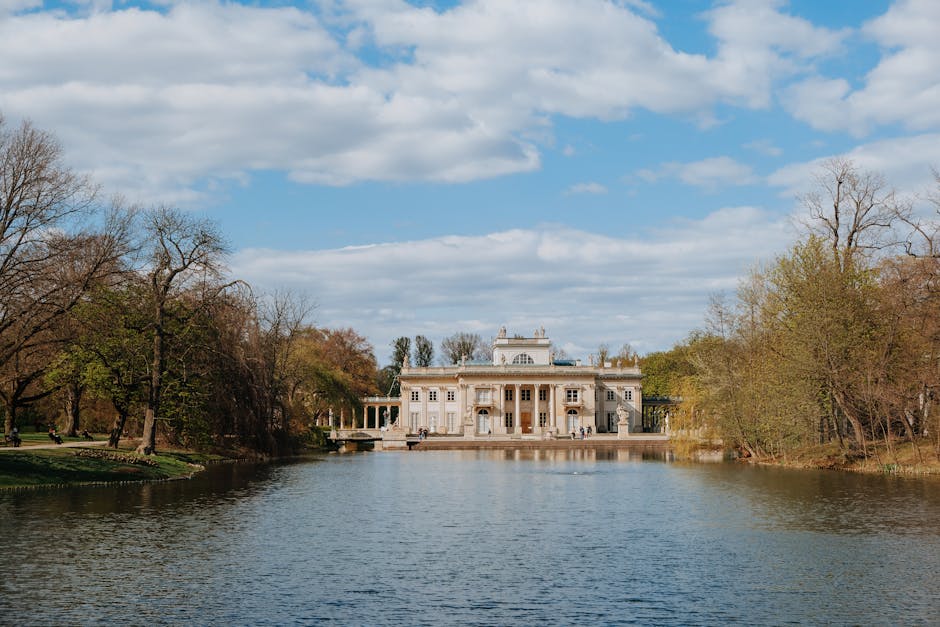
- Łazienki Królewskie (Royal Baths Park) — ul. Agrykola 1, 00-460 Warszawa. Park entry: free; Pałac na Wyspie (Palace on the Isle): ≈ €7.00; palace hours: 10:00–16:00 depending on season. A splendid park with peacocks, shady paths and summer Chopin concerts. Perfect for a contemplative afternoon after museum visits.
- Museum of the History of Polish Jews (POLIN) — ul. Mordechaja Anielewicza 6, 00-157 Warszawa. Full price: ≈ €10.00; opening hours: 10:00–18:00 (Thursdays extended to 20:00). The permanent exhibition is an immersive 1,000-year story of Jewish life in Poland, with modern multimedia displays. Allow 2–3 hours for a full visit.
- Warsaw Uprising Museum — ul. Grzybowska 79, 00-844 Warszawa. Full price: ≈ €6.00; opening hours: 10:00–18:00 (closed on certain holidays). An emotive, interactive museum about the 1944 uprising — a must to understand the city’s recent history.
Local tips: combine a walk down Krakowskie Przedmieście with a visit to the Royal Castle and a coffee break at Café Blikle (Nowy Świat 32, 00-029 Warszawa). If contemporary art is your thing, head to the Zachęta National Gallery of Art (ul. Małachowskiego 3, 00-916 Warszawa, ≈ €6.00, 11:00–19:00). For a quieter route, visit Łazienki early in the morning before the crowds arrive.
Nightlife — Nowy Świat, the Pawilony courtyards and Mazowiecka Street
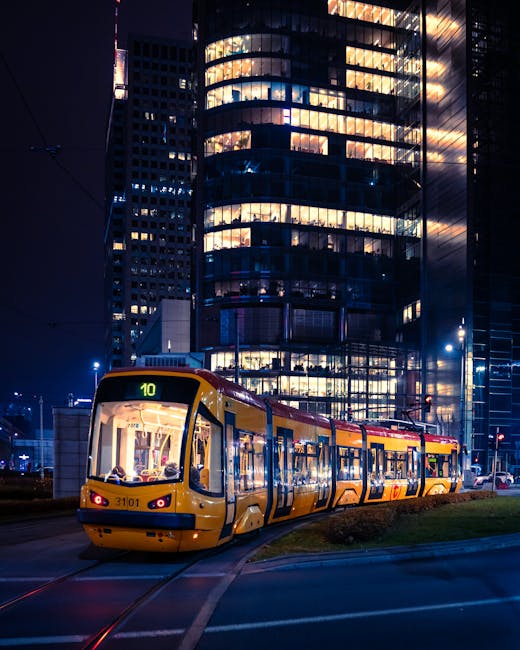
If partying is top of your list, Warsaw has a diverse nightlife: intimate cocktail bars, historic pubs and electronic clubs. The center is packed with evening hotspots — especially Nowy Świat with its bar-filled courtyards called « Pawilony », and the famous Mazowiecka Street, known for clubs and lounges.
- Pawilony Nowy Świat — Nowy Świat (central segment, 00-363 Warszawa). A cluster of small courtyards and cabins housing independent bars; average spend: €4–8 for a beer, €6–12 for a cocktail. Hours: most open 18:00–02:00, some until 04:00 on weekends. Young, relaxed vibe — great for bar-hopping on foot.
- Hala Koszyki — ul. Koszykowa 63, 00-667 Warszawa. A day-time market/food hall that turns into a lively bar spot at night; international cuisine and cocktails €8–15. Food hall hours: 08:00–23:00 depending on vendors; bars often stay open until 01:00–02:00.
- Mazowiecka Alley — ul. Mazowiecka (between Śródmieście and Praga). A mix of bars and clubs; club entry: €5–15, special events €10–25. Club hours: 22:00–05:00 on Friday and Saturday. Tip: arrive before midnight to avoid queues and look for guest-lists to cut or waive the cover charge.
Local tips: cash is still common in smaller bars, but cards are accepted at most Hala Koszyki venues and clubs. For a quieter after-party, head to the Vistula riverside (Bulwar Flotylli Wisły) where seasonal pop-up bars offer music and drinks under the stars. Safety-wise, nightlife is generally safe, but watch for pickpockets in crowded areas and avoid unofficial taxis — use Bolt or registered city cabs.
Peaceful & residential — Powiśle, Mokotów and Żoliborz for rest
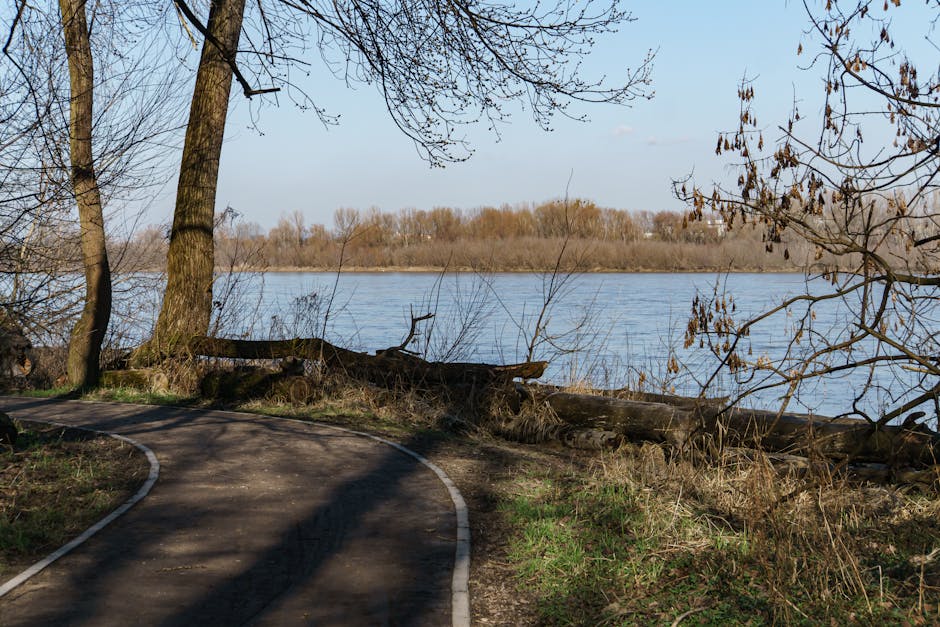
If you’re after calm and quality of life, the residential neighborhoods of Powiśle, Mokotów and Żoliborz are ideal. They offer quiet cafés, walks along the Vistula, spacious parks and quieter accommodation, while staying close to the center.
- Powiśle — riverside area between the Świętokrzyski and Poniatowski bridges. Young vibe, stylish cafés and riverside promenades. Recommended café: Kawiarnia Hania (ul. Rozbrat 22, 00-587 Warszawa) — drinks €2–6, hours 08:00–20:00. Great for calm stays with easy access to the center.
- Mokotów — a green, residential district near Pole Mokotowskie park. Staying in Mokotów works well for families and business travelers: trams and the metro provide quick access to downtown. Park: Pole Mokotowskie, al. Niepodległości 141, free entry — perfect for morning runs or reading in the shade.
- Żoliborz — an elegant area northwest of the center, known for its small squares, cafés and 1930s architecture. Village-like atmosphere within the city — recommended for a serene stay. Café and patisserie: Cafe Rozmaryn (ul. Juliusza Słowackiego 1, 01-131 Warszawa) — €3–7 per drink/pastry, hours 09:00–19:00.
Practical tips: choose accommodation with double-glazed windows if you’re noise-sensitive; apartments in Powiśle and Żoliborz often have balconies and tree-lined views. For getting around, the ZTM transport card is handy: a 24-hour ticket ≈ €4.50 (indicative), valid on buses, trams and metro. In the mornings, enjoy local markets (e.g. Hala Banacha in Mokotów) to buy fresh produce and avoid pricier tourist restaurants.
Final tips to choose your neighborhood
The best neighborhood depends on how long you’re staying and what matters most to you. For a short cultural trip (2–3 days), staying in Śródmieście or Stare Miasto puts you within walking distance of museums and monuments (Royal Castle, POLIN, Warsaw Uprising Museum). For a week mixing quiet days and nights out, consider Powiśle or Mokotów for daytime calm and plan your evenings in Nowy Świat or Mazowiecka. If you’re primarily here to party, staying near the Pawilony or Mazowiecka cuts down on late-night taxis.
Budget and tickets: most major museums charge full fares between €6 and €12; cafés and restaurants in the center often cost €8–20 per meal. Favor food halls (Hala Koszyki) for variety and flexible pricing. Transport is economical if you buy 24- or 72-hour tickets; for comfort, rely on the metro (lines M1 and M2) and trams.
Practical rules: check seasonal opening hours (museums may open later in winter), book online for temporary exhibitions and concerts (for example, Chopin concerts in Łazienki). And don’t hesitate to ask locals — Varsovians are often proud of their city and happy to share tips on lesser-known restaurants, bars and walks.
Conclusion — Find your own rhythm in Warsaw
Warsaw reveals itself to those who take the time to pick the right neighborhood. Whether you’re drawn to museums and palaces, the night-time energy, or the calm of residential districts, the Polish capital has options for every taste. Stare Miasto and Krakowskie Przedmieście are essential for culture and history, with highlights like the Royal Castle (Plac Zamkowy 4, ≈ €9.00, 10:00–18:00) and walks to Łazienki (ul. Agrykola 1, park free, palace ≈ €7.00). For nightlife, Nowy Świat, the Pawilony and Mazowiecka offer diverse bars and clubs (spend €4–15, clubs open until 05:00). For a peaceful atmosphere, Powiśle, Mokotów and Żoliborz provide quiet streets, cafés and parks for relaxing.
In practice, think about mobility: the city is well-connected, and a 24- or 72-hour ticket will make life much easier. Also book ahead when possible to save time. Finally, allow yourself to wander: a side street, a hidden café or a local market can turn a standard visit into a memorable experience. Warsaw isn’t just a list of sights to tick off — it’s a city to explore on foot, to listen to and to taste. Pick the neighborhood that fits your mood, plan your days accordingly, and you’ll leave with an intimate, full picture of this vibrant capital.