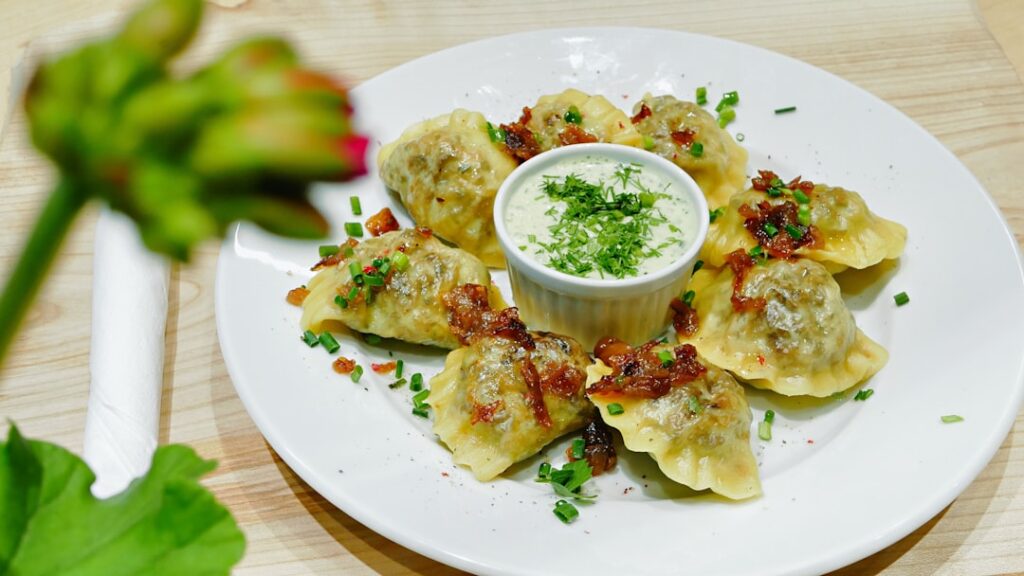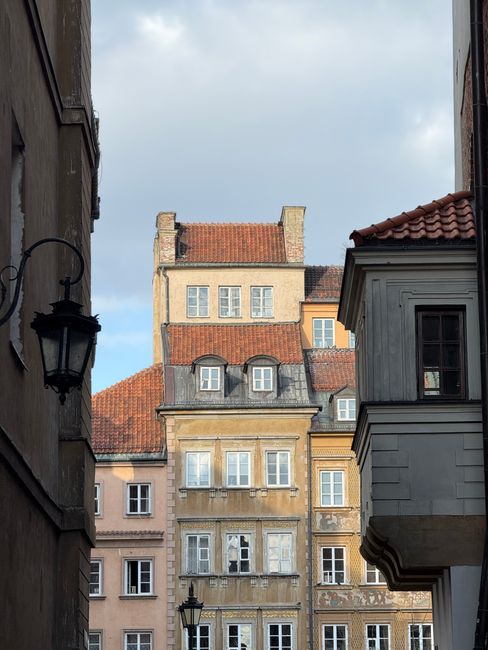






Introduction — Why this practical guide to finding a good cheap restaurant in Warsaw
Warsaw blends Polish culinary traditions, international influences and a lively street-food scene. If you’re traveling on a budget, finding a place that’s tasty, authentic and affordable takes a bit of method — you can’t just follow the flashiest sign or rely on generic online reviews. This five-step practical guide gives you concrete, on-the-ground actions to spot and test a cheap restaurant in Warsaw. You’ll get immediate criteria, sample addresses to try, price ranges in euros, and precise opening hours to avoid surprises.
We focus on spots that offer excellent value: bar mleczny (old-fashioned canteens), small trattoria-style places and pierogi bars, well-reviewed food trucks, and café-bistros where main dishes usually cost between €3 and €10. The goal isn’t just to save money but to eat well and quickly, like the locals do. The steps mix simple observation (queues, daily specials), practical checks (menu in Polish + photos), sensory evaluation (smell, visible kitchen), and budget control (average check, taxes included).
Each step includes a checklist you can tick off, concrete example addresses with full locations, opening times and approximate prices in euros, plus local tips for negotiating, ordering and avoiding tourist traps. The suggested addresses cover various neighborhoods — Śródmieście (city centre), Powiśle, Praga and the Old Town — so you can use the method wherever you are in Warsaw.
Finally, this guide includes visual cues 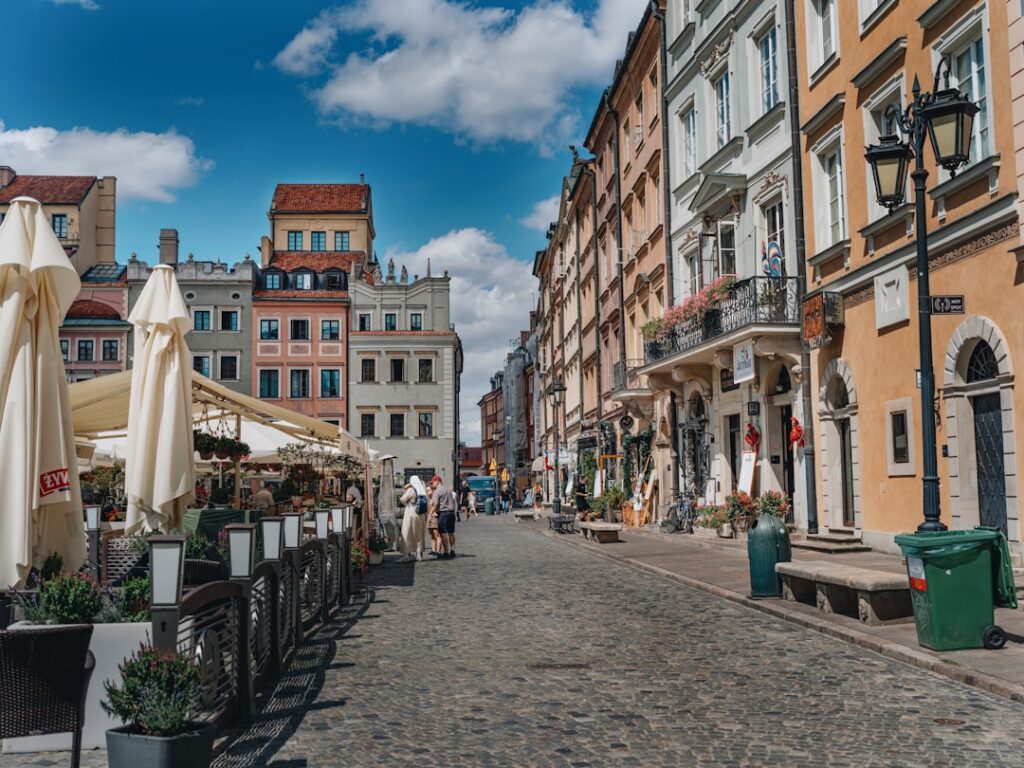 to help you recognize atmospheres and establishment types. These images suggest scenes to look out for: a queue, a daily special posted outside, an open kitchen, reasonably priced menus. Apply these steps to every restaurant you consider and, in five simple moves, you’ll know whether the place is worth it. Let’s get started.
Step 1 — Spot outward signs of quality and price (quick observation)
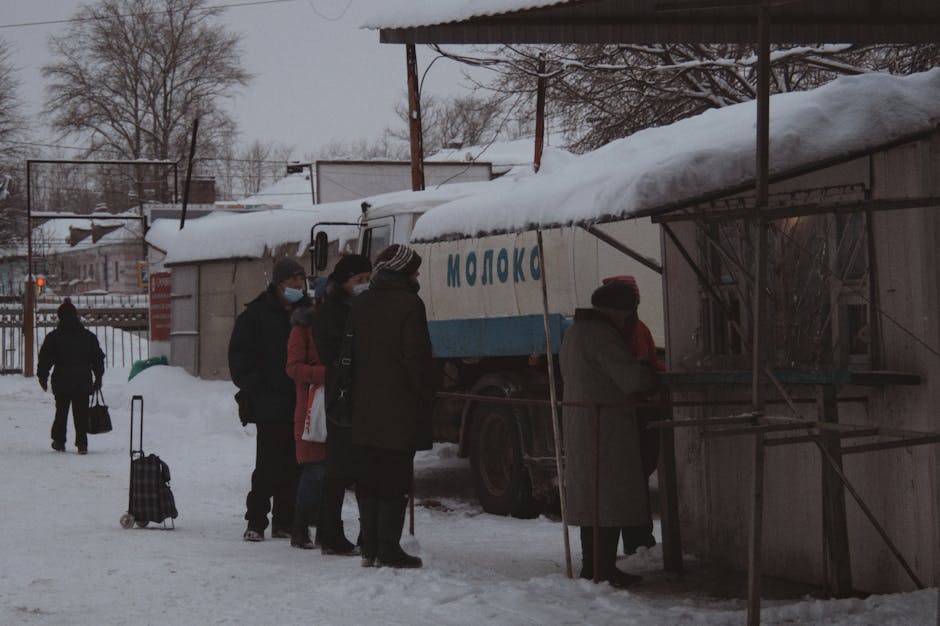
Before you go in, scan the exterior for about 60 seconds. This first filter will weed out most tourist traps. Look for the following: a local queue, a menu displayed with prices, daily specials written in chalk, a visible kitchen from the street, and the absence of an overly touristy decor (menus in ten languages, servers in souvenir-style uniforms). In Warsaw, a reliable indicator is the presence of local customers at lunchtime or after 5pm — they know the quality and the value.
Quick observation checklist:
- Local queue: locals lining up — a good sign.
- Menu outside: prices listed in PLN/EUR or chalked daily dishes.
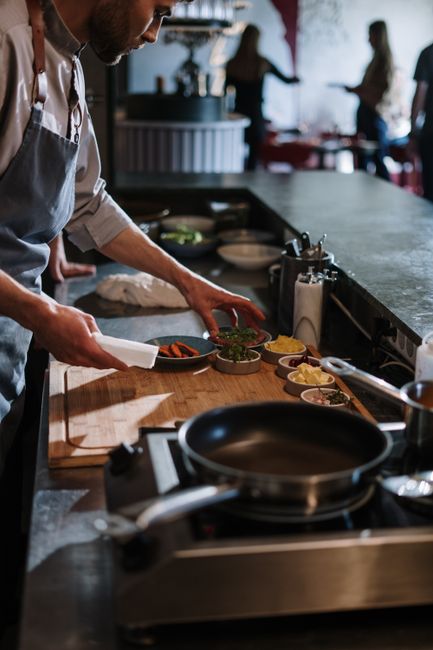
- Visible kitchen: open kitchen or a window into the cooking area.
- Simple decor: no souvenirs, no tourist photos everywhere.
- Opening hours: open at lunch (12:00–15:00) or early dinner (17:00–20:00).
Concrete examples to check:
- Bar Mleczny Prasowy — ul. Marszałkowska 99/101, 00-693 Warszawa. Indicative prices: soup €2–3 (8–12 PLN), main course €3–5 (12–20 PLN). Opening times: Mon–Fri 08:00–18:00, Sat 09:00–15:00. If office workers are lunching there, that’s a good sign.
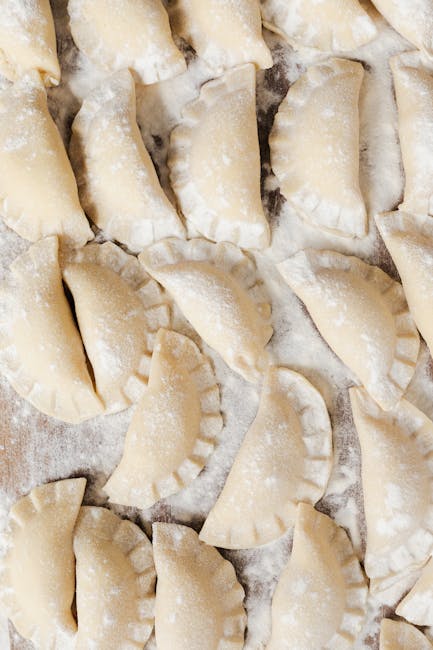
- Zapiecek Pierogarnia — ul. Piwna 8, 00-265 Warszawa (Old Town). Indicative prices: €4–6 (15–25 PLN) per portion of pierogi. Opening times: daily 11:00–22:00. Check whether there are more locals than tourists outside.
Quick tip: if the menu shows inflated euro prices or a big “Tourist Menu” sign, walk away. Genuine bargains in Warsaw will mostly list prices in PLN or show an honest conversion.
Step 2 — Read the menu like a local: dishes, portions and real prices
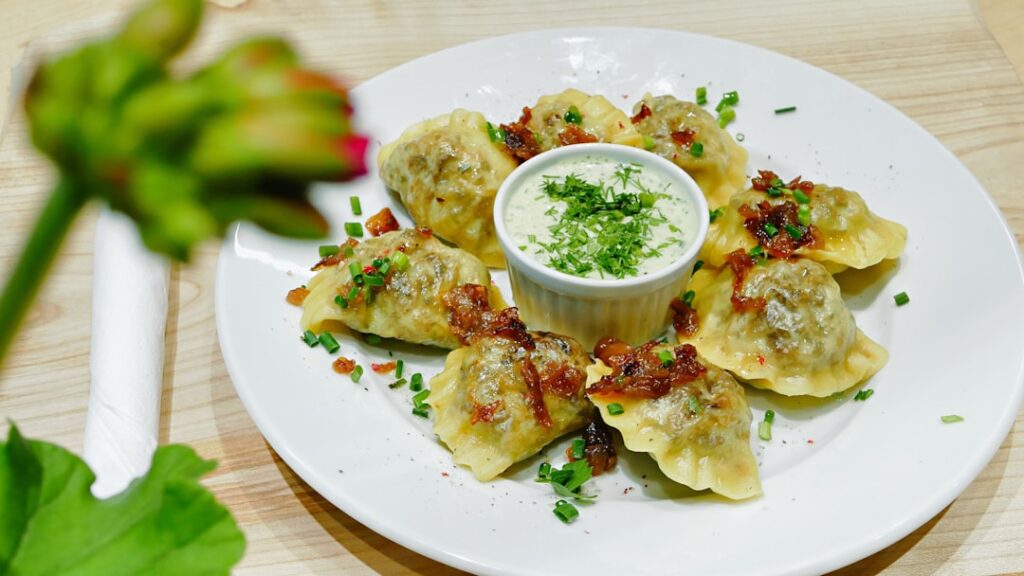
Once inside, the menu will tell you a lot. A good cheap spot usually has a short menu, often with a daily special (danie dnia) posted, and generous portions. Traditional dishes like pierogi, placki ziemniaczane (potato pancakes), kotlet schabowy (breaded pork cutlet) or soups (żurek, barszcz) are signs of home-style cooking. Be wary of places offering too many different cuisines (Indian + pizza + sushi) — that’s often a generic tourist menu and typically mediocre.
Menu-reading checklist:
- Short menu: fewer than 20 mains, local specialties.
- Daily special (danie dnia): priced noticeably lower than à la carte items.
- Visible portions: ask the server about portion sizes if unsure.
- Local drinks: Polish beer (Tyskie, Żywiec) €2–3; compote or kvas are cheap options.
- Economical option: combo plates or lunch deals for €3–6.
Addresses to try and what to look for:
- Krowarzywa Vegan Burger — ul. Marszałkowska 27/35, 00-624 Warszawa. Price: simple burger €3–5 (12–22 PLN). Short menu, young crowd. If the burger is served quickly and the bun and fillings smell fresh, that’s a good quality sign.
- Bar Mleczny « Prasowy » (example above). Look for “zupa” (soup) at €2–3 — a fresh soup at midday usually means a solid canteen.
Local tip: ask “Jaki jest dzisiaj danie dnia?” (What’s today’s daily special?) — the daily special is often the best deal. If the server hesitates, the place may not be cooking much on site.
Step 3 — Check the smell, service speed and cleanliness (sensory check)
These three elements quickly reveal whether a restaurant is both good and cheap: the smell should be fresh, the kitchen should be visible or clearly doing local prep, and the service should be fast without being sloppy. In Warsaw, popular canteens serve quickly — the aim is to determine whether the food is genuinely made on site.
Sensory checklist:
- Smell: home-cooked aromas (broth, slow cooking), not a stale fry smell.
- Service speed: fast service during busy times (5–15 minutes for the daily special).
- Cleanliness: clean tables, floors and restrooms — a good hygiene indicator.
- Dishware: simple but clean plates — no chips or leftover residue.
- Customers: a mix of families, students and local workers.
Concrete examples:
- Bar Mleczny Gdański — ul. Nowy Świat 35, 00-029 Warszawa. Price: lunch €3–6 (12–25 PLN). If a soup arrives in 3–5 minutes and smells like meat or vegetable broth, it’s likely homemade. Opening times: Mon–Fri 09:00–17:00.
- Bar Relaks — ul. Tamka 30, 00-355 Warszawa. Price: mains €3–7 (12–30 PLN). Check the smell; if there’s a persistent greasy fry odor, move on.
Local trick: watch your neighbor’s order arrival — if the server brings out dishes that look like they’ve been sitting for a while, freshness may be lower. Prefer places where you can see the pan or pot simmering.
Step 4 — Negotiate smartly, pay the right price and avoid hidden extras
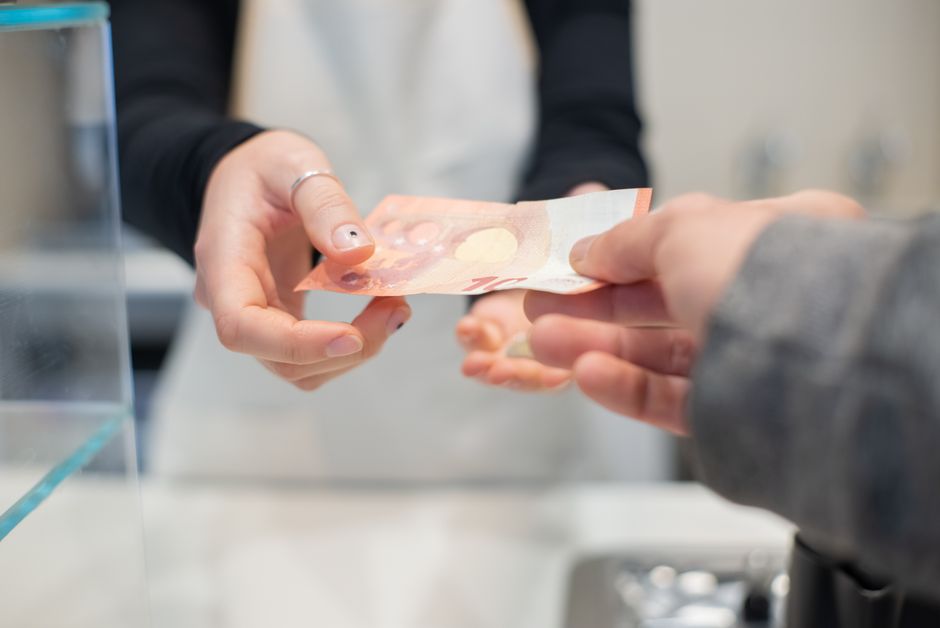
In Warsaw, surcharges are less common than in extreme tourist zones, but it’s still smart to be aware: cover charges, service not included, or upcharges for foreign cards can occur. Here’s how to avoid unpleasant surprises and keep your bill low.
Payment and negotiation checklist:
- Ask if service is included: in Polish, “Czy obsługa jest wliczona?” (Is service included?). If not, add around 5–10% as a tip.
- Check the bill: make sure the final price matches the menu.
- Card payments: some small bars accept cash only — carry €10–20 in cash.
- Exchange and dynamic conversion: prefer paying in PLN; dynamic euro conversion can be disadvantageous.
- Target prices: soup €2–3; daily special €3–6; simple main €4–10; beer €2–3.
Addresses and practices:
- Restauracja Zapiecek — ul. Piwna 8, 00-265 Warszawa. Price: pierogi €4–6 depending on filling. Tip: pay in PLN to avoid an unfavorable euro conversion. Opening times: 11:00–22:00.
- Krowarzywa Vegan Burger — ul. Marszałkowska 27/35. Price: burger €3–5. Cards accepted; watch out for double euro pricing in tourist zones.
Practical tip: keep small Polish change for tipping, since leaving a little extra in cash is common. If the server insists on charging in euros, ask for the PLN version of the bill or pay cash.
Step 5 — Judge value on three criteria: taste, portion size, consistency
After following the four previous steps, you need to validate the place for the longer term. Three simple criteria: taste (real flavor and freshness), portion size (appropriate for the price) and consistency (same standards on repeat visits). Here’s how to run a quick 30–40 minute test and decide whether a spot deserves a recommendation.
30–40 minute test checklist:
- Taste: the dish should be balanced (seasoning, salt); not overly “industrial.”
- Portion: portion size should match the price (e.g. €4 for a bowl of soup plus a hearty dish = good value).
- Consistency: ask whether the daily special changes often; a good place refreshes the menu but keeps the quality steady.
- Final score: if 2 out of 3 criteria are positive, keep the address for a return visit.
Practical examples and tested addresses:
- Bar Mleczny Prasowy — ul. Marszałkowska 99/101. Test: soup + kotlet = about €5–7; decent taste and generous portions. Opening times: Mon–Fri 08:00–18:00.
- Bar Mleczny Gdański — ul. Nowy Świat 35. Test: placki ziemniaczane + compote = ~€4–6; a good sign if the topping is homemade. Opening times: Mon–Fri 09:00–17:00.
Post-test tip: photograph the receipt and the dish. That way you build a mini personal database (price, portion, taste) to recommend to friends or for your next trip.
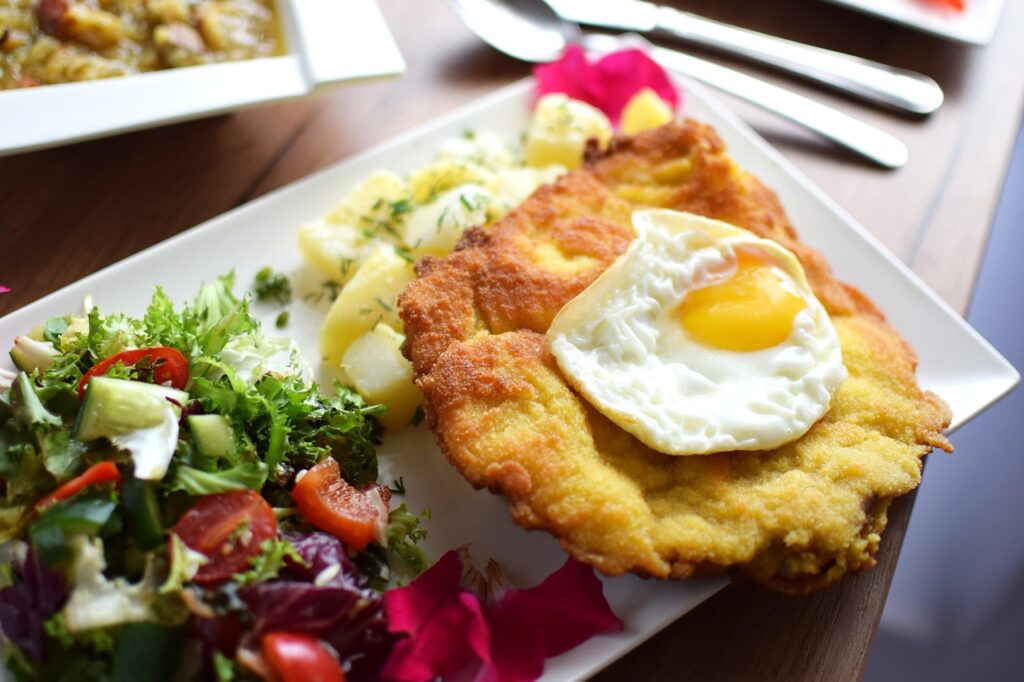
Conclusion — Practical summary and long-term strategy for eating well and cheaply in Warsaw
With five simple steps — exterior observation, local menu reading, sensory checks, payment vigilance and a quality test — you now have a repeatable method for every street corner. Warsaw is full of traditional canteens (bar mleczny), honest pierogi spots and small modern but affordable places. Using the provided checklist, you can quickly sort through options and save time and money while enjoying quality meals. Remember: the best value isn’t always right in the tourist centre; you’ll often find it on streets frequented by locals, near office buildings and markets.
Practical recap:
- Before going in: check for a queue, a menu outside, and the presence of locals.
- Inside: short menu, daily special, reasonable prices (€3–6 for a complete meal).
- Sensory check: smell, cleanliness, speed of service.
- Payment: pay in PLN, check whether service is included and avoid dynamic euro conversion.
- Final test: taste, portion size and consistency during a quick 30–40 minute visit.
To go further: keep a list of five tested addresses (with receipt photos) and share it with other travelers. The places mentioned in this guide — Bar Mleczny Prasowy (ul. Marszałkowska 99/101), Bar Mleczny Gdański (ul. Nowy Świat 35), Zapiecek Pierogarnia (ul. Piwna 8) and Krowarzywa Vegan Burger (ul. Marszałkowska 27/35) — are solid starting points. Apply the method at every new spot, and you’ll be able to eat in Warsaw for €3–10 per meal while keeping high culinary quality. Enjoy your meal and happy discoveries!