





Introduction — Warsaw: central left bank vs. bohemian right bank
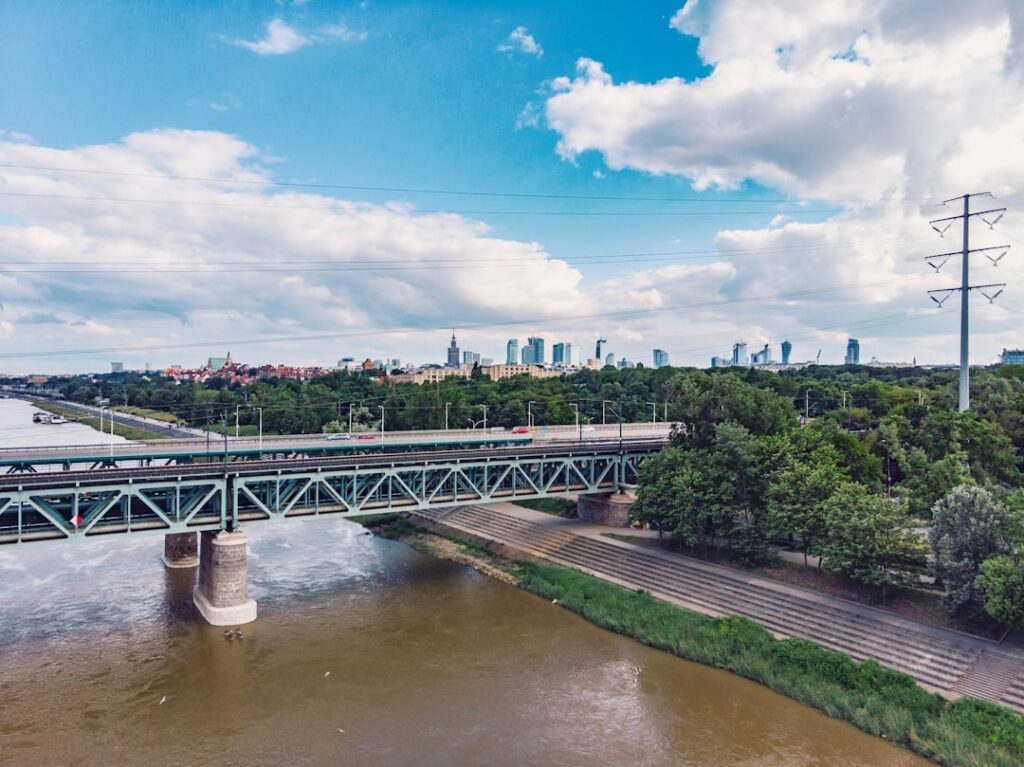
Warsaw, Poland’s capital, reads like a city with two faces: on one side the “central” left bank of the Vistula where most monuments, institutions and main shopping streets cluster; on the other, the right bank — Praga and its suburbs — which offers a more authentic, artistic and rough-around-the-edges vibe. Deciding where to stay, stroll, dine, or which neighbourhood to prioritize for a 2–5 day visit will shape your whole experience. This guide compares neighbourhoods — attractions, exact addresses, opening hours, prices in euros and local tips — so you can choose between the comforts of the centre and the unique character of the right bank.
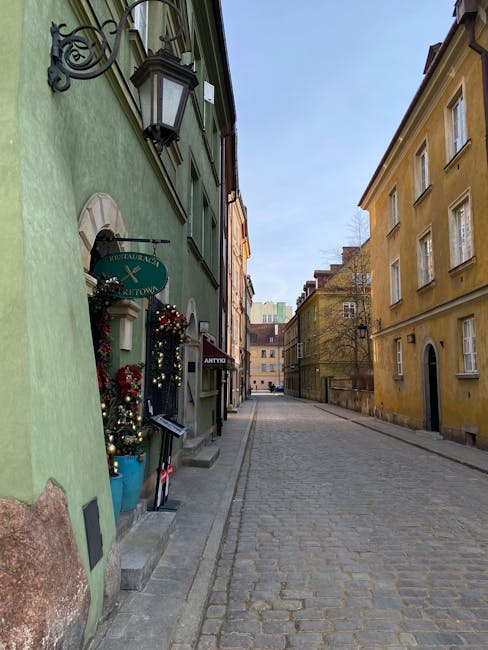
The historic centre (Śródmieście), the Old Town (Stare Miasto), Nowy Świat street, the Palace of Culture and Science (Pałac Kultury i Nauki), major hotels and shopping centres give a classic European capital impression: museums, international restaurants, theatres and easy metro and tram links. East of the river, Praga (Praga-Północ and Praga-Południe) has weathered post-war modernization and kept workshops, rehabilitated industrial sites, independent galleries and specialty cafés. Praga attracts travellers looking for a local experience, markets, alternative concerts and street art murals.
This guide does more than draw a tourist map: it gives exact addresses (so you can drop them in your GPS), opening hours, prices in euros, sensory descriptions of places and practical advice (safety, mobility, best seasons). Whether you’re on a cultural weekend, a food-focused trip or traveling for business, you’ll find recommendations tailored to your profile. I detail the key neighbourhoods — Old Town, Śródmieście (Nowy Świat, Plac Defilad), Powiśle and Mokotów on the left bank, then Praga and its creative pockets on the right — with what each side does best for sightseeing, strolling and nightlife.
Finally, the guide includes practical transport tips (tram, metro, seasonal ferry), cost estimates (museums, restaurants, cafés) and local hacks like off-peak times for attractions, the best time to catch a Chopin concert at Łazienki, or when to pick right-bank accommodation to save money without losing atmosphere. If you’re still torn between centre and right bank, read on: each section will give you enough to decide based on your priorities.
Śródmieście — historic heart and the practical choice (left bank central)
Śródmieście (city centre) is often visitors’ first pick: a concentration of museums, hotels, restaurants, cafés and easy access to public transport. Staying here makes transfers to the airport (SKM/Warsaw Chopin train), train stations and most attractions straightforward. Key spots in the neighbourhood: the Old Town (Stare Miasto), Nowy Świat street, Castle Square (Plac Zamkowy), and the Palace of Culture and Science.
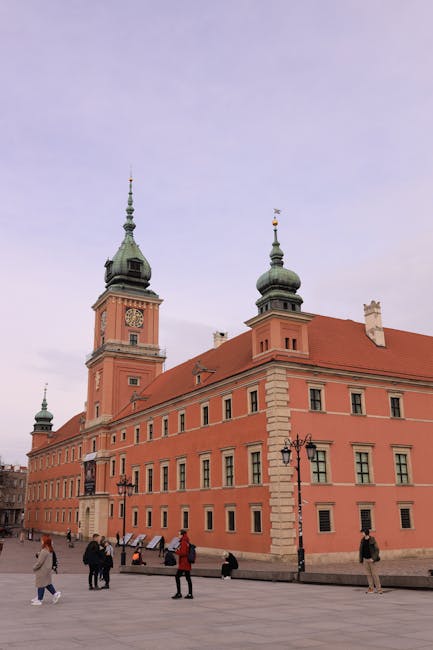
- Royal Castle (Zamek Królewski) — Plac Zamkowy 4, 00-277 Warszawa. Opening hours: Tue–Sun 10:00–18:00 (closed Mon). Prices: €9–12 depending on the exhibition (reduced about €6). Description: beautifully reconstructed after the war, richly decorated state rooms and rotating exhibits on Poland’s royal history. Tip: buy tickets online to avoid long queues in high season.
- Palace of Culture and Science (Pałac Kultury i Nauki) — Plac Defilad 1, 00-901 Warszawa. Observation terrace (Taras Widokowy): daily 10:00–20:00. Price: around €6–8. Description: iconic Stalinist building housing theatres, cinemas and cafés; the terrace gives sweeping city views.
- Nowy Świat Street — Nowy Świat, 00-373 Warszawa. Description: a historic boulevard lined with shops, cafés and restaurants. Don’t miss the famous Blikle patisserie (Nowy Świat 33), open 08:00–20:00; pastry and coffee roughly €4–6.
The centre is ideal for walkers: most museums are within walking distance. Business hotels and international restaurants are plentiful (Hotel Bristol, Krakowskie Przedmieście 42/44, 00-325 Warszawa — famed for its restaurant and tea room). Prices in the centre are generally higher than on the right bank: a mid-range restaurant meal costs €18–35, and a specialty coffee €3–5 on average.
Local tip: avoid the Plac Defilad area early in the morning if you’re hunting for a local café — head to Chmielna Street for independent shops and Franciszkańska alley for quieter bistros. If you’re visiting in summer, look for combined museum passes (student and senior discounts often apply). The left bank also benefits from the metro (lines M1 and M2) for quick trips to business districts and the city’s north/south axis.
Powiśle and Łazienki — parks, relaxation and culture just steps from the centre
South of Śródmieście, Powiśle and Łazienki provide a welcome green break. Łazienki Królewskie (the Royal Baths Park) is one of Central Europe’s most elegant green spaces. It’s beloved by locals for walks, picnics and outdoor piano concerts by the Chopin monument. Address: Łazienki Park, Agrykola 1, 00-460 Warszawa. Park hours: generally 06:00–22:00 (seasonal changes apply). Park entrance: free; museums and palaces inside may charge €4–10.
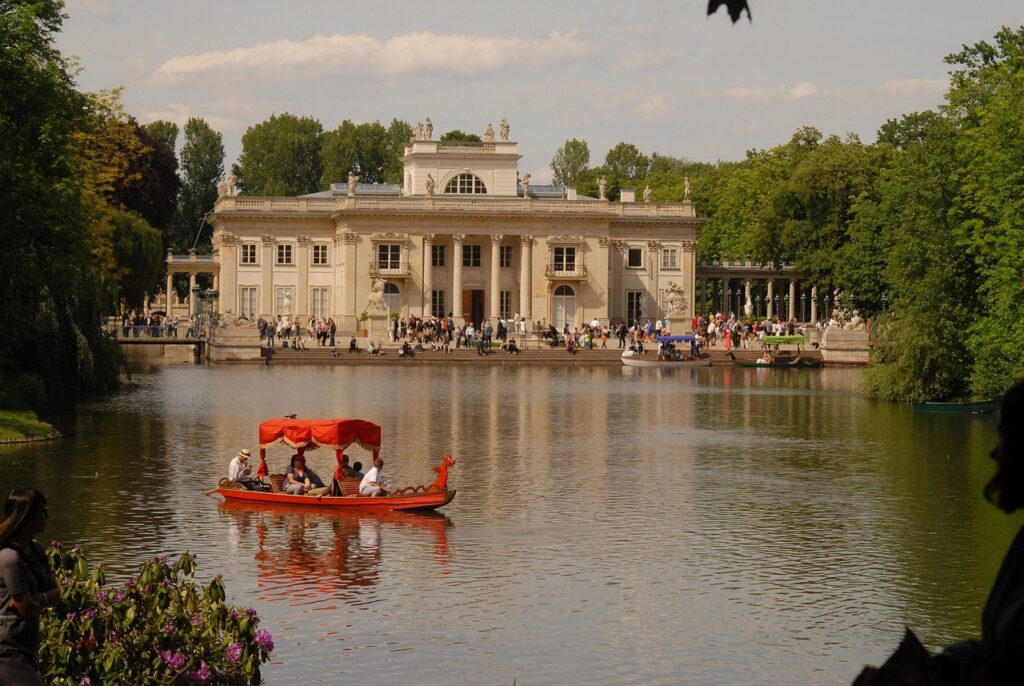
At Łazienki you can visit the Palace on the Isle (Pałac na Wyspie) and the Old Theatre. Chopin concerts are often free during the tourist season (May–Sept), typically on Sundays around 12:00–16:00 (check the official schedule). Strolling the shaded avenues reveals neoclassical pavilions and inquisitive squirrels. Lunch at Café Kulturalna (Nowy Świat 21, near the park) runs €10–20 and serves contemporary Polish fare.
Powiśle, closer to the river, has undergone a revival with design cafés and bookstores: the University Library (Biblioteka Uniwersytecka — Dobra 56/66) and the river promenade that leads to the Copernicus Science Centre. Copernicus Museum (Centrum Nauki Kopernik — Wybrzeże Kościuszkowskie 20, 00-390 Warszawa) opening hours 09:00–18:00, price €8–12. It’s a great pick for families and curious minds.
Praga — right bank: urban art, markets, reclaimed sites and authentic vibes
Praga, on the right bank of the Vistula, is now one of Warsaw’s most appealing neighbourhoods for travellers seeking something different. Long seen as a working-class, less developed area, Praga has preserved its pre-war urban fabric: small shops, workshops, weathered façades, local markets and a lively arts scene. People come here for its raw atmosphere, alternative cafés and concept stores.
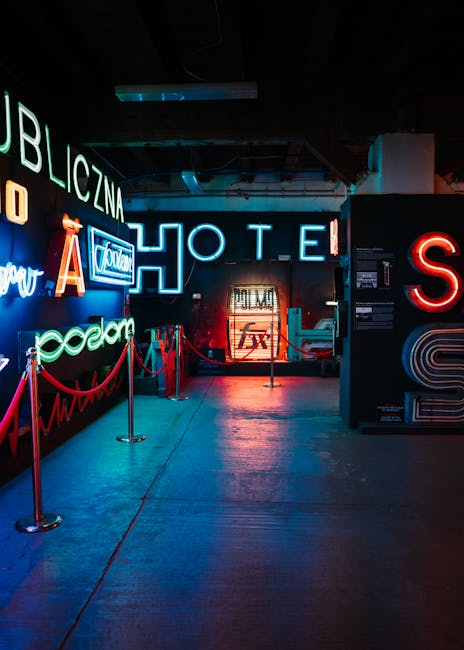
- Neon Museum (Muzeum Neonów) — ul. Mińska 25, 03-808 Warszawa. Opening hours: Wed–Sun 12:00–18:00. Price: around €5–7. Description: a unique collection of neon signs and immersive installations telling the visual story of communist-era Poland. Very photogenic atmosphere.
- Soho Factory — ul. Mińska 25 / ul. Mińska complex (rehabilitated industrial zone). This cultural campus houses galleries, cafés, studios and events (creative markets, concerts). Prices: event-based (entry €0–15). Tip: check the official calendar before you go.
- Bazar Różycki Market — ul. Targowa 54 (Bazar Różyckiego), 03-736 Warszawa. Description: historic popular market with food stalls, clothing and secondhand goods. Prices: local items €1–6 depending on the product; great for an authentic experience.
Praga is especially recommended for travellers looking for cheaper accommodation without sacrificing quick access to the centre (15–25 minutes by tram or taxi). Cafés like Kawiarnia Filmowa and small local breweries serve quality coffee and craft beers for €3–6. Nights in Praga are often more unpredictable and creative than in the centre: concerts in alternative venues, bars with local line-ups, and pop-up markets. Note: some streets can be darker at night; stick to main arteries if you’re coming back late.
Mokotów and Żoliborz — refined residential neighbourhoods and a local feel
Mokotów, southwest of the centre, and Żoliborz, northwest, are excellent choices for travellers looking for calm, green spaces and an everyday Polish atmosphere. Mokotów combines parks, shopping centres and business zones while Żoliborz, more compact, offers villas, peaceful squares and neighbourhood cafés.
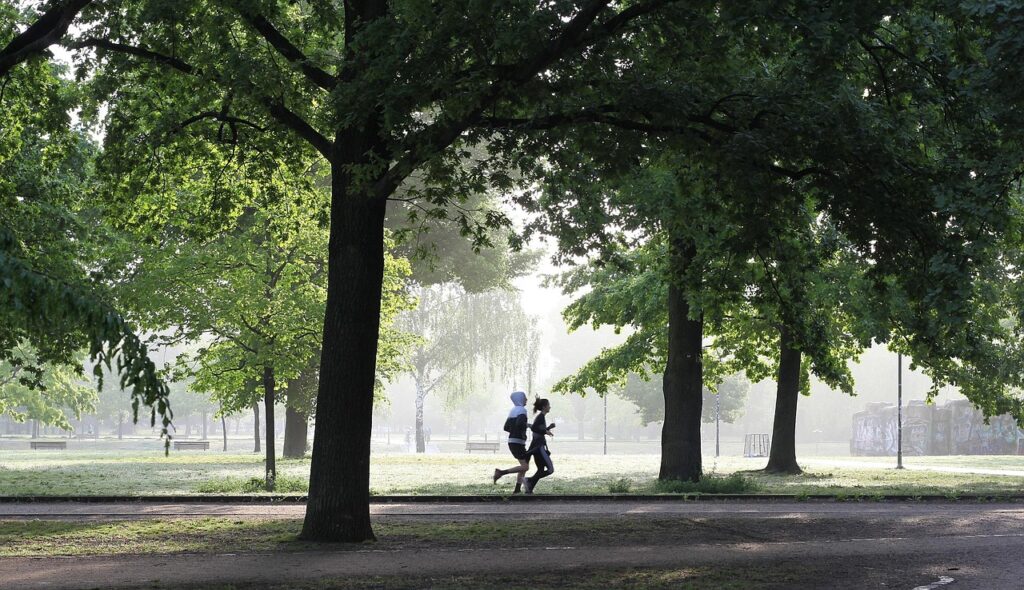
- Mokotów — Aleja Niepodległości / Puławska: family hotels and apartments, near Pole Mokotowskie park (ul. Batorego 1). Pole Mokotowskie: green spaces, outdoor music kiosks, bike paths; ideal for jogging and terrace cafés. Coffee prices: €2.5–5.
- Żoliborz — Plac Wilsona: transport hub (metro), tree-lined streets and neighbourhood restaurants. Perfect for those wanting an immersion in daily life 10–15 minutes from the centre.
These neighbourhoods suit travellers planning a longer stay, who value quiet evenings and want to discover Warsaw’s everyday life away from the tourist flow. Rents and accommodation prices are generally lower than in the centre, with good public transport links to the main sites.
Conclusion — Choose based on your priorities: central comfort or Praga’s soul?
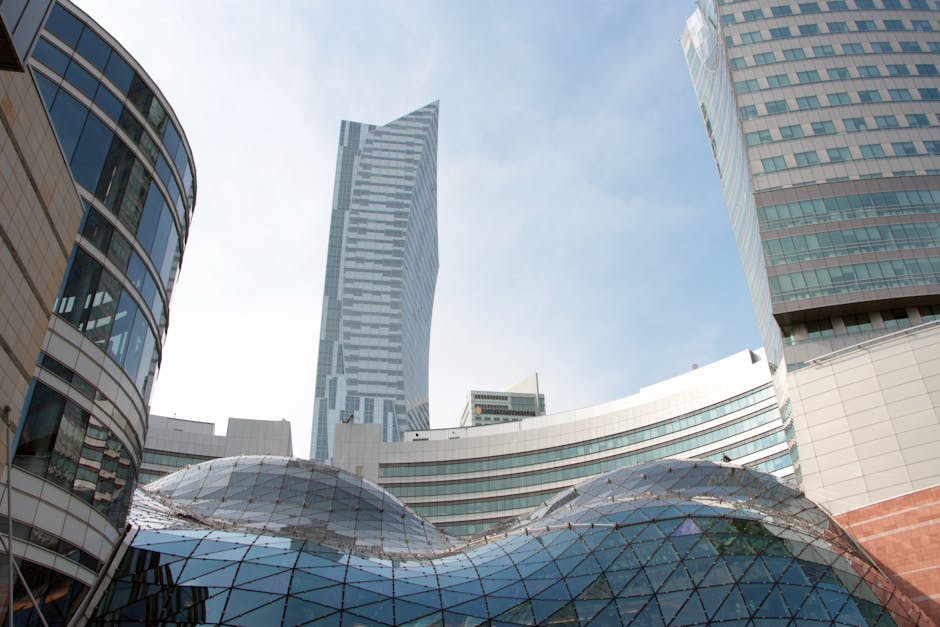
The choice between the centre (left bank) and the right bank (Praga) mostly comes down to your travel style. If you prioritise immediate proximity to museums (Royal Castle — Plac Zamkowy 4), big shops (Złote Tarasy — Złota 59, 00-120 Warszawa) and international restaurants, the left bank / Śródmieście is the best option. You’ll save time, enjoy convenience and have easy access to transport (metro, tram, taxi). Prices there are typically higher, but you’ll find everything — including upscale experiences like National Theatre shows and gourmet dining.
If authenticity, street art, independent cafés and local markets appeal to you, Praga on the right bank is well worth considering. The Neon Museum (ul. Mińska 25) and Soho Factory deliver a creative vibe that contrasts strongly with the polished centre. Praga is also more budget-friendly for accommodation and lends itself to unexpected discoveries — transformed industrial sites, artists’ studios and alternative concerts. At night, expect a more local and often more original atmosphere.
To sum up practically: time-pressed travellers and families will prefer Śródmieście and Powiśle for convenience. Couples and culture seekers will enjoy the Royal Castle and large parks for romantic walks. Urban explorers, photographers and street-art fans should pick Praga for its visual texture and emerging scenes. If you’re undecided, consider a compromise: base yourself in Śródmieście and spend at least a half-day in Praga to experience the city’s other face — it’s often the best way to take away a full picture of the capital.